
TL;DR:
- October is the best month to visit Iceland for Northern Lights and fewer crowds. Temperatures range from 2°C to 7°C, with reduced daylight hours ideal for photography and aurora hunting. Glacier activities, cultural events, scenic drives, and geothermal baths remain accessible, but travelers should prepare for unpredictable weather and road conditions.
October is the single best month to visit Iceland if you want Northern Lights, glacier adventures, and far fewer crowds than summer. Temperatures sit between 2°C and 7°C, and daylight shrinks from about 10 hours early in the month to 8 hours by the end. That shift creates long, dramatic golden hours perfect for photography and aurora hunting. The things to do in Iceland in october span everything from ice cave tours and geothermal baths to film festivals and scenic coastal drives, and this guide covers every one of them with real prices, practical tips, and honest advice.
1. Things to do in Iceland in October: chase the Northern Lights
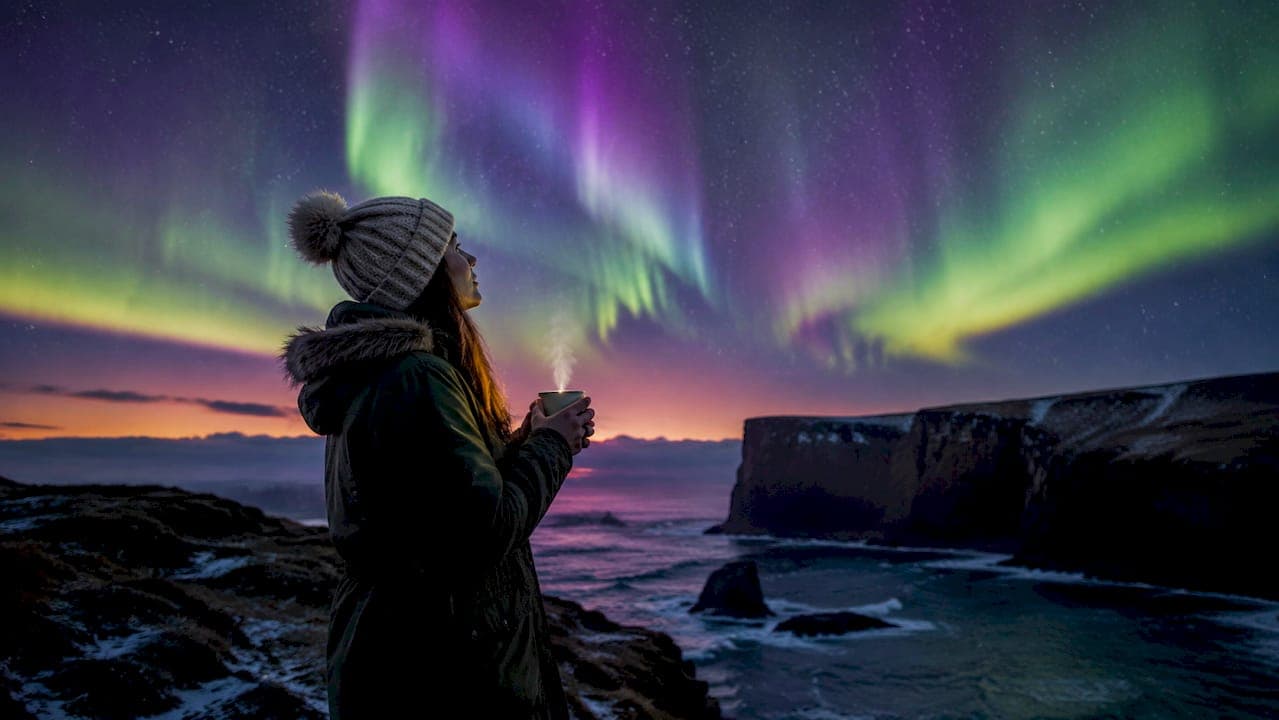
October is the aurora viewing sweet spot because darkness returns without the brutal driving conditions of deep winter. You get enough dark sky to see the lights clearly, but roads are still manageable and temperatures are not yet punishing.
Guided Northern Lights tours from Reykjavík cost approximately ISK 8,900–12,500 and most operators include a re-try guarantee if clouds block the aurora on your first night. That guarantee matters because October weather is unpredictable, and a single attempt rarely tells the full story.
For self-drive viewing, head at least 30 minutes outside Reykjavík to escape light pollution. The Reykjanes Peninsula, Þingvellir National Park, and the road toward Selfoss all work well. Northern Iceland and Akureyri tend to have clearer skies in october, making them worth the extra travel time if you have flexibility.
- Check the Icelandic Met Office aurora forecast app daily
- Target nights with KP3 or higher solar activity
- Dress in waterproof layers; standing outside for an hour in wind is cold
- Bring a tripod rated for wind gusts
Pro Tip: Book a tour that departs after 10:00 PM. The aurora peaks later in the evening, and early tours often miss the strongest displays.
2. Glacier walks and ice cave tours
Glacier walks on Sólheimajökull and Skaftafell run year-round with certified guides, and october is one of the better months for them. The ice is stable, crevasse activity is lower than in summer, and the glaciers are less crowded than during peak tourist season.
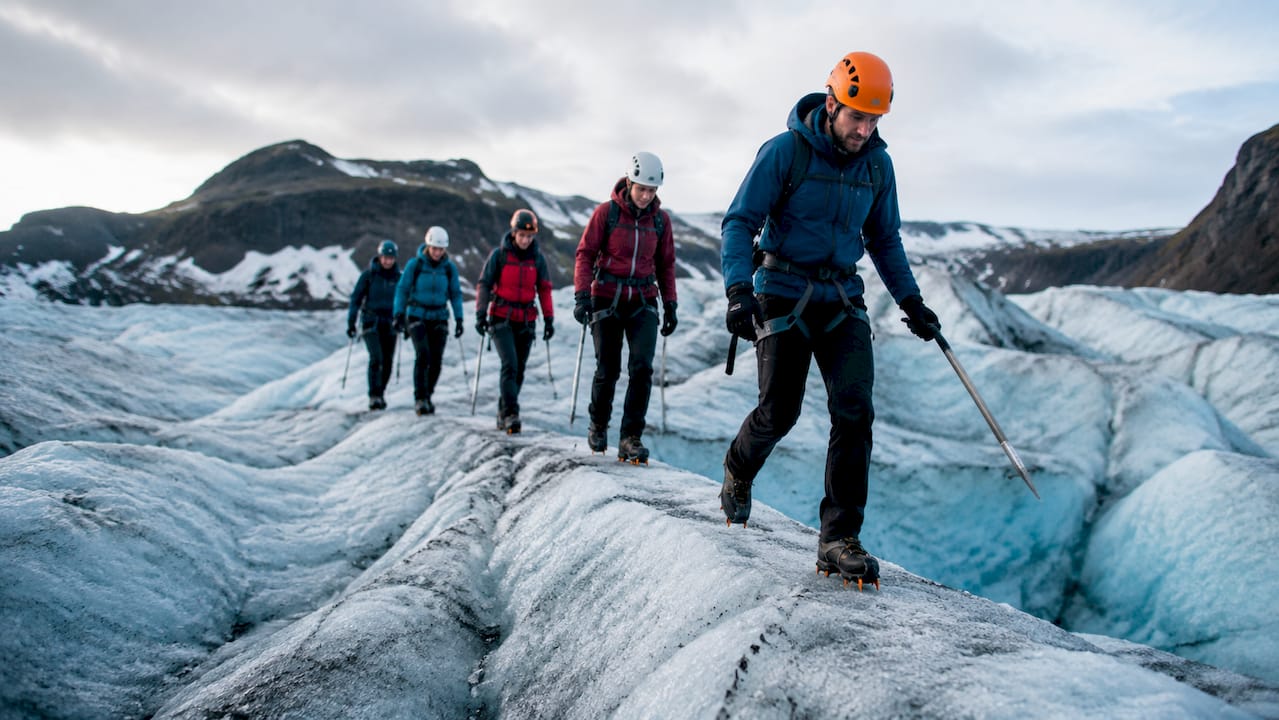
Ice cave tours are a different story. They begin in limited form in late october in the Vatnajökull area, with full availability arriving in november. Prices for ice cave tours range from ISK 15,000 to ISK 50,000 depending on the cave system and group size. The natural blue ice caves inside Vatnajökull are among the most photographed geological features in Iceland, and booking early is the only way to secure a spot.
| Activity | Typical Cost | Availability in October |
|---|---|---|
| Glacier walk (Sólheimajökull) | ISK 9,900–13,000 | Full month |
| Glacier walk (Skaftafell) | ISK 9,900–13,000 | Full month |
| Ice cave tour (Vatnajökull) | ISK 15,000–50,000 | Late october only |
Combine your glacier day with a stop at Jökulsárlón glacier lagoon nearby. Icebergs calve from Breiðamerkurjökull and float through the lagoon before drifting to Diamond Beach. In october, the lagoon sees far fewer tour buses than in july or august.
Pro Tip: Always book glacier activities through a certified guide service. The ice surface changes weekly, and solo access is both dangerous and restricted.
3. Reykjavík's cultural scene and indoor activities
Reykjavík in october is a genuinely good city to spend time in, not just a base for outdoor trips. The Reykjavík International Film Festival runs in early october and draws international films and directors to venues across the city. Iceland Airwaves, the country's most celebrated music festival, typically takes place in early november but often has preview events and warm-up shows in late october.
Local public swimming pools offer one of the most authentic Icelandic experiences available. Admission costs under ISK 1,500 at most neighborhood pools, and the geothermal water stays warm regardless of weather. Laugardalslaug and Vesturbæjarlaug are two of the best in Reykjavík. These are not tourist attractions in the usual sense. They are where locals actually spend their evenings, which makes them far more interesting than a hotel spa.
- The National Museum of Iceland covers 1,200 years of history and costs around ISK 2,500
- Hallgrímskirkja church offers city views from its tower for a small fee
- The Reykjavík Botanical Garden shows autumn color through mid-october
- The 101 neighborhood has independent coffee shops and bookstores worth an afternoon
When weather turns rough, which it will, these indoor options keep your day productive and genuinely enjoyable. Travelers who plan for budget-friendly options alongside paid attractions get far more out of their time in Iceland.
4. Scenic drives and autumn outdoor activities
The South Coast route from Reykjavík to Höfn is the most rewarding drive in october. You pass Seljalandsfoss and Skógafoss waterfalls, black sand beaches at Reynisfjara, and the glacier lagoon at Jökulsárlón, all within a single day if you start early. The Golden Circle route covering Þingvellir, Geysir, and Gullfoss remains fully open and far less congested than in summer.
Most highland F-roads close by mid-october, so the interior is off-limits without a specially equipped vehicle and local expertise. Check road.is before every driving day. Mountain passes can receive snow overnight, and conditions change faster than weather apps update.
Autumn color in Iceland is subtle but real. Birch trees turn gold and amber across the lowlands, and the contrast against black lava fields and gray skies creates a look that is completely different from what you see in may or july. October lighting delivers golden hour conditions for most of the day, which photographers specifically travel for.
Whale watching tours still operate out of Húsavík and Reykjavík through october, though frequency drops as the season winds down. Humpback and minke whales remain in Icelandic waters through late october. Book directly with operators and confirm departure schedules, as tours cancel in high winds.
- Carry physical maps as a backup; cell coverage disappears in rural areas
- Fill your gas tank at every opportunity outside Reykjavík
- Sunrise and sunset times shift quickly in october; plan driving legs around daylight
- Wind gusts can exceed 20 km/h on exposed coastal roads, so drive carefully
5. Geothermal bathing at Blue Lagoon and Sky Lagoon
Geothermal bathing is the one activity that gets better as the weather gets colder. Sitting in 38°C water while rain or mist rolls in around you is a genuinely Icelandic experience. The Blue Lagoon, located near Keflavík Airport on the Reykjanes Peninsula, and Sky Lagoon, just outside Reykjavík, are the two premium options.
Both require advance booking, especially in october when availability is tighter than it looks. Sky Lagoon's seven-step ritual includes a cold plunge, sauna, and steam room sequence that takes about 90 minutes to complete properly. The Blue Lagoon offers silica mud masks and swim-up bars in its signature milky blue water. Neither experience is cheap, but both are worth the cost for a full afternoon.
October crowds at both facilities are noticeably lighter than in summer. You get more space in the water, shorter waits at the bar, and better photos without strangers in every frame. For first-time visitors, check out Iceland travel tips for first-timers before you go to avoid common booking mistakes.
6. Puffin watching and wildlife in early October
Puffins leave Iceland by mid-october, but early in the month you can still spot them at colonies near Vík and on the Westman Islands. The Westman Islands (Vestmannaeyjar) are accessible by ferry from Landeyjahöfn and offer one of the most concentrated puffin populations in the world. The crossing takes about 35 minutes each way.
October is also a strong month for seeing Arctic foxes, Iceland's only native land mammal. The Westfjords region has the highest fox density, and october brings them closer to human settlements as they prepare for winter. Birdwatchers also target Snæfellsnes Peninsula in october for migratory species passing through.
Wildlife viewing in october requires good waterproof gear and patience. The weather shifts fast, and animals do not perform on schedule. Build extra time into any wildlife-focused day.
7. Photography and landscape exploration
October is the month serious landscape photographers choose over july or august. The reason is light. Golden hour conditions persist for most of the day because the sun stays low on the horizon, casting warm, directional light across lava fields, waterfalls, and glaciers. That quality of light is simply not available in summer when the sun sits high overhead.
The most photogenic locations in october include Kirkjufell mountain on Snæfellsnes, the black sand beach at Reynisfjara, and the icebergs at Diamond Beach near Jökulsárlón. All three offer dramatically different compositions and reward early morning visits before tour groups arrive.
Wind is the main technical challenge. Gusts regularly exceed 20 km/h on exposed coastlines, and a lightweight tripod will vibrate enough to ruin long exposures. Use a heavy-duty tripod with a ball head rated for wind, and hang your camera bag from the center column for added stability.
Pro Tip: Shoot in RAW format and expose for the highlights. Iceland's october light is contrasty, and recovering shadow detail in post-processing is far easier than fixing blown highlights.
Key takeaways
October is the most rewarding month to visit Iceland for travelers who want aurora viewing, glacier access, and cultural depth without summer crowds.
| Point | Details |
|---|---|
| Aurora viewing peaks in October | Darkness returns and temperatures stay manageable; target KP3+ nights and areas north of Reykjavík. |
| Glacier walks run all month | Sólheimajökull and Skaftafell are open; ice cave tours begin only in late october. |
| F-roads close by mid-October | Check road.is daily and stick to paved routes for safe driving. |
| Cultural events add indoor value | Reykjavík Film Festival and local pools offer affordable, authentic experiences during bad weather. |
| Golden light lasts most of the day | October's low sun angle creates photography conditions unavailable in summer months. |
Sergiu's take on planning an October trip to Iceland
Most travelers I talk to underestimate how much october rewards flexibility. They book a rigid itinerary and then feel frustrated when a storm cancels their glacier walk or clouds block the aurora. The travelers who come back happy are the ones who built buffer days into their schedule and treated weather changes as part of the experience rather than a problem.
My honest advice: plan for three aurora attempts, not one. The re-try guarantees on guided tours exist for a reason. October skies are unpredictable, and one clear night can make the entire trip. I have seen people give up after a cloudy first night and miss a spectacular display on night three.
The other thing most guides do not tell you: the local pools are genuinely the best value in Iceland. For under ISK 1,500, you get two hours in geothermal water surrounded by locals, not tourists. That experience tells you more about Icelandic daily life than any museum. Pair that with a morning glacier walk and an evening aurora attempt, and you have a day that is hard to match anywhere in the world.
Pack more layers than you think you need. October's highest autumn precipitation means rain is a near-daily reality. Waterproof outer layers, thermal base layers, and wool mid-layers are not optional. For a full packing and preparation checklist, the essential Iceland travel tips for 2026 covers everything you need before you land.
— Sergiu
Getting around Iceland in October with Easytransfer
October weather makes reliable transportation more important than in any other season. Road conditions shift fast, F-roads close without warning, and arriving at Keflavík Airport in the dark after a long flight is not the moment to figure out ground transport.
Easytransfer provides private transfers across Iceland connecting Keflavík Airport, Reykjavík, Blue Lagoon, and Sky Lagoon, with fixed pricing and no hidden fees. Vehicles include Mercedes models and Tesla electric cars, with fleet options for groups up to 49 passengers. Flight tracking means your driver adjusts for delays automatically. If you want a direct transfer to the Sky Lagoon after landing, Easytransfer handles it door-to-door. Booking takes minutes, cancellation is free up to 24 hours before departure, and a sales agent responds to custom route requests within 24 hours.
FAQ
What is the weather like in Iceland in October?
Temperatures range from 2°C to 7°C with 8–10 hours of daylight and frequent rain. Waterproof and windproof gear is required for any outdoor activity.
When can you see the Northern Lights in Iceland in October?
The Northern Lights are visible from mid-september through april, and october is one of the best months due to returning darkness and moderate temperatures. Target nights with KP3 or higher solar activity for the best chance of a sighting.
Are ice caves open in Iceland in October?
Ice cave tours in Vatnajökull begin in limited form in late october, with full availability typically arriving in november. Glacier walks on Sólheimajökull and Skaftafell are open all month.
Can you drive the Ring Road in Iceland in October?
The Ring Road (Route 1) stays open in october, but highland F-roads close by mid-month. Check road.is before every driving day for real-time conditions, especially on mountain passes.
Is October a good time to visit Iceland for fewer crowds?
October sees significantly fewer visitors than june, july, or august. That means shorter queues at popular sites, easier restaurant reservations, and lower accommodation prices across the country.