
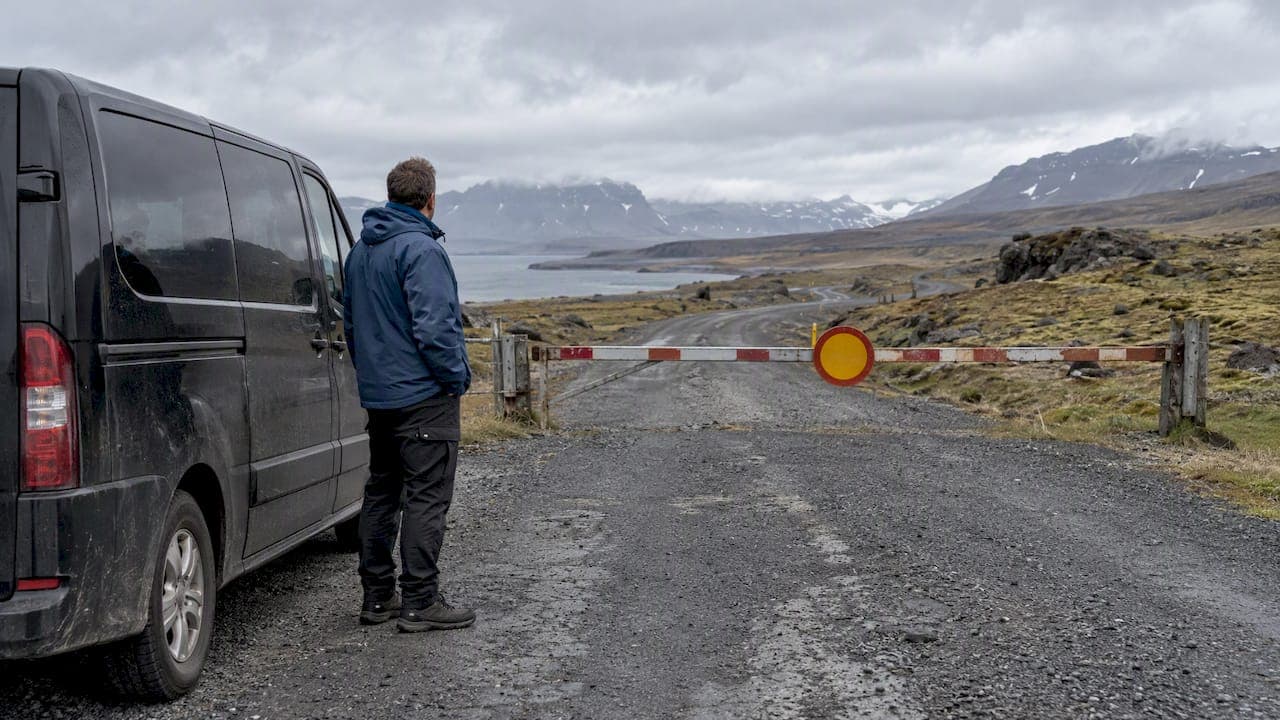
Check Vegagerðin and Umferdin.is before you move, because those official services, along with Safetravel, vedur.is and the 1777 phone line, are the final word on whether a road is closed. If your route looks affected, pause, confirm with your transfer provider or accommodation, and check live status again. Closures are common in bad weather, and the official services update often.
TL;DR:
- Umferdin.is shows live road status, while vedur.is explains weather alerts; check incident timestamps and call 1777 for road reports when mobile data fails.
- Treat a closure as a stop, not a detour: wait somewhere safe, contact your operator and accommodation, and use 112 only for emergencies.
- Before booking, confirm flight tracking, a staffed day of contact, cancellation terms, and alternate meeting points, since operators differ when closures disrupt transfers.
- Winter and shoulder season storms often affect Highland roads, mountain passes, and coastal routes; avoid regional day trips and leave connection buffers.
Table of Contents
- How do you check live road status in Iceland?
- What should you do when a closure blocks your route?
- How do closures affect airport pickups and prebooked transfers?
- Which apps and official contacts should you set up before you fly?
- When do road closures happen, and which roads are affected most?
- How should you plan transfers when closures are possible?
- A transfer operator's view for Irish travelers
- How does Easytransfer keep you moving when roads close?
- FAQ
- Sources
How do you check live road status in Iceland?
Start with the official channels, not a general mapping app. Vegagerðin (the Icelandic Road and Coastal Administration, or IRCA) and its traffic service at Umferdin.is show active incidents and mark roads as open, slippery, difficult, or impassable. Umferdin to include extreme weather, landslides and flooding, and notes that this status often means no active winter monitoring, so your vehicle's capability is beside the point.
Here is a simple routine:
- Open the live map on Umferdin.is and filter by the region you will drive through.
- Check the timestamp on any incident so you know how fresh the information is.
- Read the Icelandic Meteorological Office alerts, which often explain why a road is closing: deep lows bringing gales, snow and blizzard conditions.
- Compare against the area outlooks on the station forecasts page for wind, precipitation and timing.
- Save the 1777 line as your backup. The IRCA runs a 24/7 automated information service at 1777, or +354 1777 from abroad, with road conditions and weather reports for main roads.
Pro Tip: Take a screenshot of the status map before you set off. If a closure appears later, you will have a time-stamped record to show your transfer provider or accommodation.
What should you do when a closure blocks your route?
Safety comes first, and "closed" means no driving through. Safetravel advises that when conditions exceed your comfort level, the safest action is to wait in a secure location rather than continue. Weather can shift quickly, so a short delay often beats a risky detour.
Follow these steps in order:
- Stop in a safe place and obey all closure signs and barriers.
- Check Umferdin.is for the road's status and for any open alternative route.
- Decide whether to wait or reroute. If official guidance says the region is affected, waiting is usually the better choice.
- Tell your transfer or tour operator about the closure and your location.
- Let your accommodation know your new expected arrival time.
- Screenshot the status page as proof of the closure.
- Call 1777 for road information, and call 112 only for emergencies. Give your location, your vehicle, how many people are with you, and what is wrong.
Attempting to bypass a closure creates safety risks and potential financial liability, as the Icelandic Road and Coastal Administration indicates.
Pro Tip: Save a backup emergency number, 599-0112, as Safetravel suggests, in case cellular problems make 112 hard to reach in rural areas.
How do closures affect airport pickups and prebooked transfers?
A closed road can delay or reroute an airport pickup, push back a tour start, or force a different meeting point. This is why flight tracking matters: if your plane lands late because of the same storm, your driver needs to see that and adjust.
Ask your transfer provider these questions before you travel:
- Do you track my flight and adjust the pickup time automatically?
- Can we use an alternative meeting point if the usual route is closed?
- What are your cancellation and refund rules if a closure stops the trip?
- How do I reach you on the day, and is that line staffed around the clock?
From Ireland, keep onward bookings flexible where you can, check that your travel insurance covers weather disruption, and leave buffer time between connections. Operators handle closures differently: some rebook, some cancel, so confirm the policy at the time you book. Our guide on Iceland airport transfer cancellation explains what to expect, and our Irish traveler advice for storm days at Keflavík covers airport disruptions in more detail.
Which apps and official contacts should you set up before you fly?
Do the setup at home on Wi-Fi, not at the arrivals hall. Safetravel recommends downloading its app before you arrive so you receive region-specific push notifications about weather-related closures. The Safetravel app also lets hikers share GPS locations with emergency services.
- Safetravel app: turn on push notifications for every region on your route.
- vedur.is: save the alerts page and enable weather notifications.
- Umferdin.is: bookmark it on your phone's home screen. Treat it as your live map.
- 1777 and 112: store both, with 1777 for road information and 112 for emergencies.
- Offline copy: save emergency numbers and your booking details where you can read them without a signal.
Safetravel warns that drivers should not rely solely on Google Maps, because it may not accurately reflect closed or impassable roads. For closures, the official services win every time.
Pro Tip: Put the 1777 number in your phone as "Iceland roads" so you can find it in seconds when you are stressed or cold.

When do road closures happen, and which roads are affected most?
Winter and the shoulder months carry the highest risk, but early spring and autumn storms can close roads too. Safetravel's travel conditions guidance stresses planning for winter conditions across seasons, allowing extra time and keeping routes flexible, because driving conditions can change rapidly.
- Highland and F-roads: these are the roads most often listed as impassable, and the status can last for long stretches.
- Mountain passes: high ground exposed to wind and snow can close even when nearby lowland roads stay open.
- Coastal routes: strong wind with rain, sleet or snow can make travel very difficult and lead to closures.
- Same-day multi-region transfers: in volatile months, avoid stacking several regions into one day.
Vehicle type does not override a closure, since the status can reflect landslides, flooding or lack of winter monitoring. For deeper background, see our guide to Iceland road conditions and our winter travel and transport guide.
How should you plan transfers when closures are possible?
Build slack into the plan before you leave Ireland. Group organizers in particular benefit from working backward from the trip date, and this group travel planning timeline shows how to set buffers weeks ahead.
- Book an operator that tracks flights and offers flexible pickup policies.
- Leave a generous gap between landing and any onward travel.
- Confirm the cancellation and refund policy, and save the provider's contact details for day-of changes.
- Base yourself in one or two hubs instead of tight circular same-day transfers during volatile seasons. If a closure forces you to change where you sleep, booking anchor nights early gives you more options.
- If a road closes, ask your provider about alternative meeting points or staged transfers, and keep your screenshots as evidence.
A transfer operator's view for Irish travelers
Professional operators watch Vegagerðin and Umferdin.is all day. When a road closes, a good driver reroutes, holds passengers somewhere safe, and keeps your accommodation informed. At booking, ask for flight monitoring, a 24/7 contact and flexible cancellation. Those three things make the difference between a stressful delay and a minor change of plans.
— Sergiu
How does Easytransfer keep you moving when roads close?
When a closure hits your route, you want one team handling the changes. Our private transfers offer these features:
- Flight tracking: we adjust your pickup automatically if your flight is delayed.
- 24/7 support: you can reach us directly when conditions change.
- Fixed pricing: no hidden fees, even when plans shift.
- Flexible cancellation: free cancellation up to 24 hours before your transfer.
- Door-to-door service: we collect you and drop you at your address.
A closure does not have to leave you guessing. You can contact us when plans change. Our Keflavík Airport transfers start from 45 USD per traveler, and you can see the options on our private transfers page.
Check the official status first, then request a quote. If you are traveling in a volatile month, contact us early and we will plan the buffers with you.
FAQ
Are there any current road closures in Iceland?
Closures change by the hour, so check Umferdin.is for the live picture. The map shows closed, impassable and difficult roads by region. You can also call 1777 for road information.
What is the current travel advisory for Iceland?
Safetravel and the Icelandic Meteorological Office publish the practical advisories travelers need, including weather alerts and road conditions. Check vedur.is alerts and the Safetravel app before each day's drive. Your own government's travel advice is a separate, broader source.
What should I do if my transfer route is closed?
Stay in a safe place, contact your transfer provider, and check Umferdin.is for an open alternative. Do not drive around barriers. Save a screenshot of the status in case you need to show it for rebooking.
When should I call 1777 instead of 112?
Call 1777 for road and weather information. Call 112 when there is a danger to life or health, and have your location ready.