

TL;DR:
- Getting from Keflavik Airport to Reykjavik typically involves taking a shuttle bus or public bus, with shuttles costing around $55 and taking about 45 minutes. The Reykjavik City Card offers unlimited bus rides, free entry to pools and museums, and is best for visitors staying more than one day. Most travelers find that using public transit or the City Card provides a more convenient and cost-effective way to explore Reykjavik than renting a car.
Reykjavik tourist information covers everything you need to plan a confident, well-organized visit to Iceland's compact capital city. The city's official Tourist Information Centers, the Reykjavik City Card, and a straightforward public bus network called Strætó form the backbone of any smart visit. Reykjavik is one of the world's smallest capital cities, and its walkable core means you can reach most major attractions on foot. Getting the basics right before you land, from airport transfers to neighborhood choices, makes the difference between a stressful trip and a great one.
How do I get from Keflavik Airport to Reykjavik city center?
Keflavik International Airport sits roughly 50 kilometers from Reykjavik city center. That distance matters because your first transportation decision sets the tone for the entire trip.
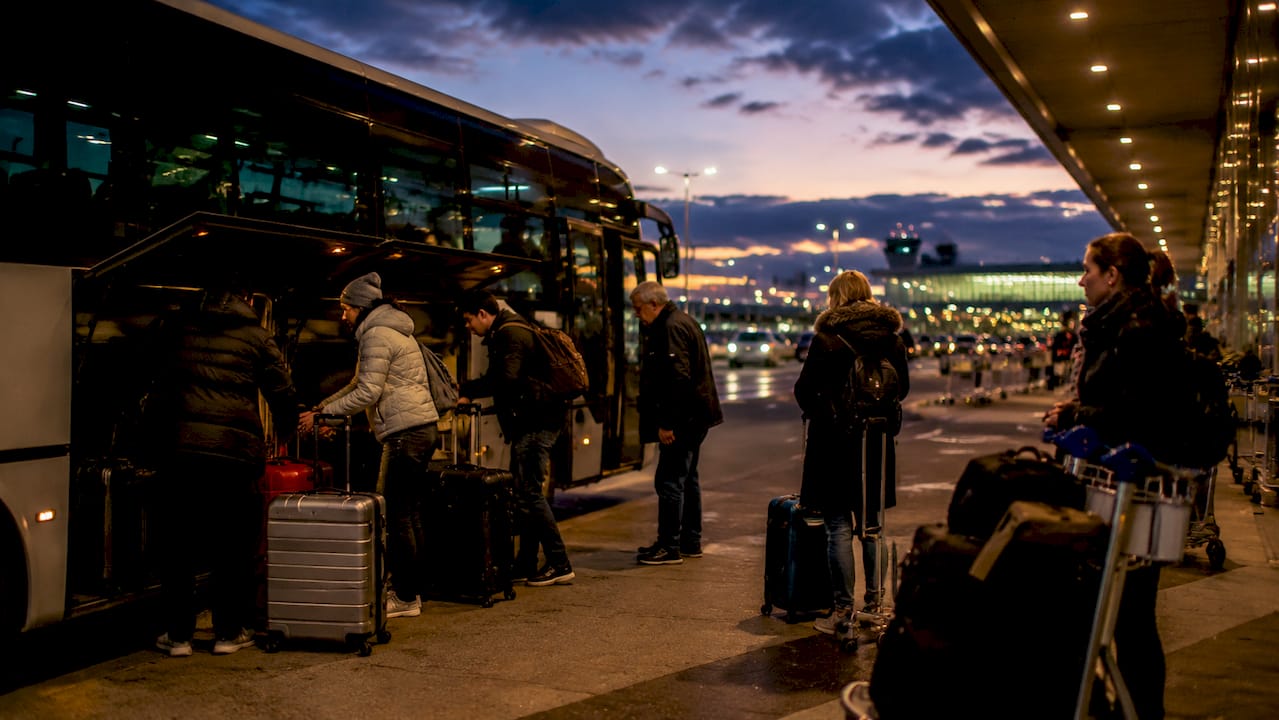
Airport shuttle buses cost approximately $55 round-trip and depart 35–45 minutes after your flight lands, taking about 45 minutes to reach the city. That price point makes shuttles the most popular choice for solo travelers and couples. They meet incoming flights, handle your luggage, and drop you at central stops near most hotels.
Public Bus Route 55 costs around 2,400 ISK ($18–20) and is the cheapest option available. The tradeoff is real: Route 55 makes multiple stops and takes about 90 minutes to reach the city. If you are traveling light and not in a hurry, it works. If you have heavy luggage or arrive late at night, it is not the right call.
| Transfer Option | Approx. Cost | Travel Time | Best For |
|---|---|---|---|
| Airport shuttle bus | ~$55 round-trip | ~45 minutes | Solo travelers, couples |
| Public Bus Route 55 | ~$18–20 one-way | ~90 minutes | Budget travelers, light packers |
| Private transfer | Varies by provider | ~45 minutes | Groups, families, comfort seekers |
| Rental car | Varies | ~45 minutes | Groups of 3+ on longer Iceland trips |
Taxis exist but cost significantly more than shuttles for the same route. Rental cars become economical mainly for groups of three or more, or for travelers planning to explore Iceland beyond Reykjavik. For a city-only visit, a rental car adds parking stress without adding real value.
Pro Tip: Pre-book your airport transfer before you land. Shuttle seats fill up during peak summer arrivals, and having a confirmed booking means you walk off the plane with one less decision to make.
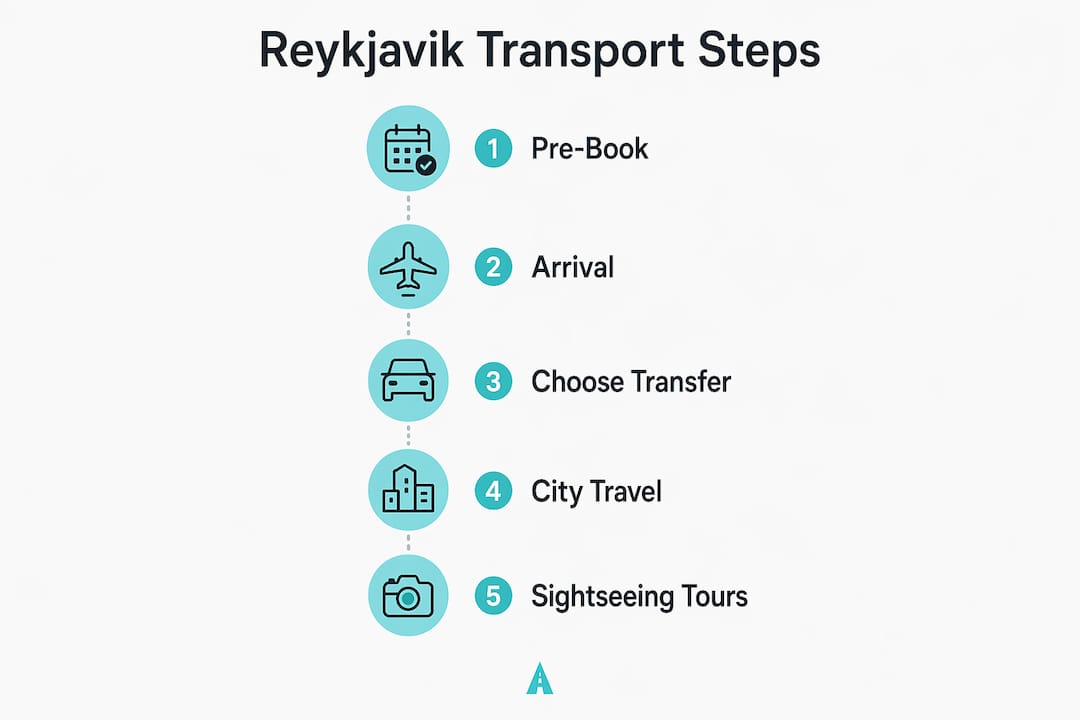
Note that Reykjavik Domestic Airport is a separate, smaller facility located right inside the city. It handles flights to the Westfjords and other Icelandic destinations, not international arrivals. Do not confuse the two when booking.
What does the Reykjavik City Card include?
The Reykjavik City Card grants unlimited rides on the Strætó public bus network plus free admission to multiple geothermal pools and museums. It comes in 24, 48, and 72-hour durations. For most visitors spending two or three days in the city, the card pays for itself within the first day or two of use.
Here is what the card typically covers:
- Unlimited Strætó bus rides across the city network
- Free entry to Reykjavik's geothermal swimming pools, including Laugardalslaug
- Free museum access at venues like the National Museum of Iceland and the Reykjavik Art Museum
- Discounts on select tours, ferries, and attractions
The Strætó app, available for iOS and Android, lets you plan routes and buy single tickets digitally. If you do not have a City Card, single bus tickets cost around 600 ISK. The card makes far more sense for anyone visiting more than two attractions per day.
Tourist Information Centers sell the Reykjavik City Card and can advise you on which duration fits your itinerary. Staff there offer real-time guidance, not just printed maps. That live advice is worth more than most travelers expect.
Pro Tip: Buy the 48-hour card even for a single full day of sightseeing. The math almost always works in your favor once you factor in two pool visits and a museum.
Where should you stay in Reykjavik as a tourist?
The 101 District is the best neighborhood for first-time visitors. Reykjavik's city core is walkable end-to-end within 15 minutes, and the 101 District sits at the center of that walkable zone. Staying here puts you within easy reach of Hallgrímskirkja, the Old Harbor, Laugavegur shopping street, and multiple Tourist Information Centers.
Here is a quick breakdown of Reykjavik's main visitor neighborhoods:
- 101 District: Central, walkable, highest concentration of restaurants and shops. Best for first-timers and short stays.
- Laugardalur: Quieter, slightly east of center. Good for families. Home to Laugardalslaug pool and the Reykjavik Zoo and Family Park.
- Grandi (Old Harbor area): Trendy, artsy, and close to whale-watching departures. Great for food lovers and those interested in maritime culture.
- Hafnarfjörður: A separate town south of Reykjavik with a Viking history and a slower pace. Requires bus access to the city center.
Budget matters here. The 101 District commands higher hotel prices. If you stay slightly outside the center, factor in Strætó bus costs or walking time. With a City Card, bus access from any of these neighborhoods becomes free, which changes the cost calculation significantly.
What are the top attractions in Reykjavik?
Reykjavik's best attractions split cleanly into free and paid experiences. A balanced visit mixes both.
- Hallgrímskirkja — The city's iconic Lutheran church towers over the skyline. The elevator ride to the top costs a small fee and delivers the best panoramic view of the city.
- National Museum of Iceland — Covers Icelandic history from the Viking settlement era to the present. Free with the Reykjavik City Card.
- Old Harbor (Grandi) — A working harbor turned cultural district. Whale-watching and puffin tours depart from here. Free to walk; tours are ticketed.
- Geothermal pools — Laugardalslaug and Sundhöllin are local favorites. Free with the City Card. These are not tourist traps; locals swim here daily.
- Golden Circle day tour — Covers Þingvellir National Park, the Geysir geothermal area, and Gullfoss waterfall. Typically booked through Tourist Information Centers or tour operators.
- Northern Lights tours — Available october through march. Departure depends on weather and solar activity, so flexibility in your schedule matters.
Seasonality affects your visit strongly. Summer brings mild temperatures of 10–15°C and nearly 24 hours of daylight. Winter offers only 4–5 hours of daylight but gives you the best chance of seeing the Northern Lights. Pack and plan accordingly.
Pro Tip: Book Northern Lights tours through a Tourist Information Center rather than online aggregators. Staff can advise on real-time weather windows and reschedule you if conditions are poor.
Confirm luggage policies before booking any day tour, especially if you are heading directly from the airport to a tour pickup. Most operators allow luggage at no extra charge, but policies vary and surprises on departure day create real problems.
| Attraction | Cost | Best Season | City Card Discount |
|---|---|---|---|
| Hallgrímskirkja tower | Small fee | Year-round | Partial discount |
| National Museum | Ticketed | Year-round | Free entry |
| Geothermal pools | Ticketed | Year-round | Free entry |
| Golden Circle tour | Ticketed | Year-round | Varies by operator |
| Northern Lights tour | Ticketed | October–March | No |
Key Takeaways
Reykjavik rewards travelers who plan transportation and accommodation first, then layer in attractions using the City Card and Tourist Information Centers for real-time guidance.
| Point | Details |
|---|---|
| Airport transfer choice | Shuttle buses offer the best value at ~$55 round-trip; Route 55 saves money but adds 45 minutes. |
| Reykjavik City Card value | The card covers unlimited buses, pools, and museums, often paying for itself within one full day. |
| Best neighborhood to stay | The 101 District gives you walkable access to most major attractions and transport links. |
| Tourist Information Centers | Staff sell City Cards, book tours, and give real-time weather and logistics advice. |
| Seasonal planning | Summer offers long daylight; winter offers Northern Lights but only 4–5 hours of daylight per day. |
What I've learned from watching travelers get Reykjavik wrong
Most first-time visitors to Reykjavik make the same mistake: they rent a car for the city portion of their trip. I understand the instinct. Iceland looks vast on a map, and the idea of being stranded without wheels feels risky. But inside Reykjavik, a rental car is mostly a liability. Parking is limited, the city is tiny, and you end up paying daily rates for a vehicle you barely use.
The smarter move is an airport shuttle into the city, a Reykjavik City Card for local mobility, and small-group day tours for the Golden Circle and other excursions. That combination costs less than a rental car for most short stays and removes the stress of driving on unfamiliar roads in unpredictable Icelandic weather.
The other thing travelers underestimate is the Tourist Information Centers. People walk past them looking for a map and miss the fact that staff can rebook your Northern Lights tour on the spot when clouds roll in. That real-time flexibility is genuinely useful, especially in winter.
One more thing: do not skip the geothermal pools. They are not a tourist attraction in the traditional sense. They are where Reykjavik residents actually spend their evenings. Sitting in a hot pool in january with locals is a more authentic Reykjavik experience than any museum.
— Sergiu
Start your Reykjavik trip the right way with Easytransfer
Arriving in Iceland should feel exciting, not stressful. Easytransfer provides private transfers from Keflavik Airport directly to your Reykjavik hotel, with door-to-door service, fixed pricing, and flight tracking included. No waiting for a shared shuttle to fill up. No navigating an unfamiliar bus system with heavy bags.
Easytransfer's fleet includes Mercedes vehicles and electric cars like Tesla, accommodating individuals and groups of up to 49 passengers. Free WiFi onboard and a 24-hour cancellation policy for a full refund make the booking low-risk. For travelers who want to pair their airport arrival with a Blue Lagoon or Sky Lagoon stop, Easytransfer covers those routes too. Browse private transfer options and get your trip off to a confident start.
FAQ
How far is Keflavik Airport from Reykjavik city center?
Keflavik International Airport is approximately 50 kilometers from Reykjavik. Shuttle buses and private transfers cover the route in about 45 minutes.
What is the cheapest way to get from the airport to Reykjavik?
Public Bus Route 55 costs around 2,400 ISK ($18–20) and is the lowest-cost option. The journey takes approximately 90 minutes due to multiple stops along the route.
Is Reykjavik easy to get around without a car?
Yes. The 101 District is walkable end-to-end in about 15 minutes, and the Strætó bus network covers the wider city. The Reykjavik City Card includes unlimited bus rides, making a car unnecessary for most short stays.
Where can I buy a Reykjavik City Card?
Reykjavik Tourist Information Centers sell the City Card in 24, 48, and 72-hour durations. You can also purchase it online through the Visit Reykjavik website before you travel.
When is the best time to see the Northern Lights in Reykjavik?
The Northern Lights are visible october through march, when nights are long and dark enough. Clear skies and low light pollution improve your chances; Tourist Information Center staff can advise on current conditions.