
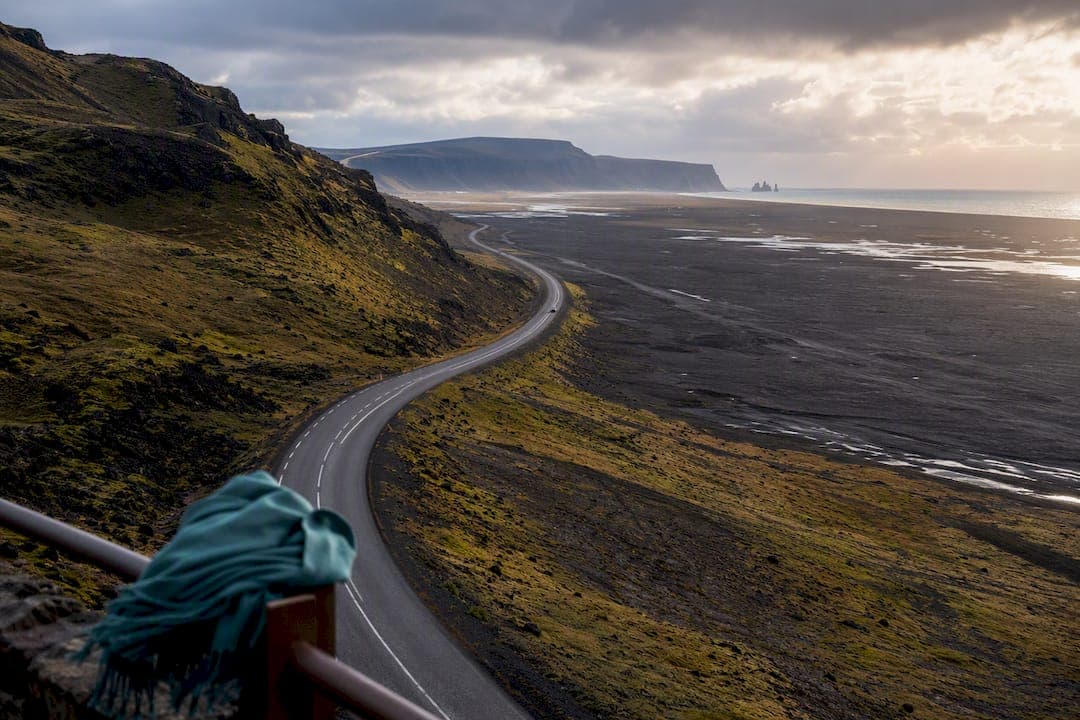
Yes, you can do Reykjavík to Vík in a day, but plan for a long one. Expect roughly 10 to 12 hours out the door once you factor in stops, with a one-way drive of about 2.5 to 3 hours covering 186 km. Leave by 7:00 or 8:00 AM, check Road and vedur.is before you go, and you'll have the buffer you need if the weather turns.
TL;DR:
- The drive from Reykjavík to Vík covers 186 km with a fully paved route and typically takes about 2.5 to 3 hours each way, depending on stops.
- Key sightseeing stops include Seljalandsfoss, Skógafoss, Reynisfjara beach, and Dyrhólaey, with most visitors spending 30 to 45 minutes at each site.
- Weather and road conditions, especially wind and sand on Mýrdalssandur, require checking updates frequently before departure and during the trip.
- A private transfer service offers a hassle-free alternative, handling navigation, weather risks, and last-minute changes with fixed pricing and live flight tracking.
- Optimal day trips start early, around 7:00 or 8:00 AM, and involve strategic timing to maximize sightseeing while avoiding crowds and weather-related closures.
Table of Contents
- How Far Is Reykjavík to Vík and What's the Route?
- Which Stops Matter Most Between Reykjavík and Vík?
- What's the Best Timed Itinerary for a Day Trip?
- Self-Drive, Bus, Tour, or Private Transfer: What Fits You?
- What Should You Check Before Renting or Driving?
- How Do You Read Road and Weather Warnings on This Route?
- How Does a Private Transfer Simplify the Reykjavík to Vík Run?
- Where Should You Eat or Rest Along the Way?
- Why Do These Sites Matter Beyond the Photos?
- How Does the Season Change Your Reykjavík to Vík Trip?
- When's the Best Time to Go to Beat Crowds and Weather?
- Where Can You Stay in Vík for a Longer Visit?
- How Can You Get the Best Photos Along the Route?
- Should You Drive Yourself or Book a Transfer?
- Ready to Book Your South Coast Transfer?
- Live Resources Worth Checking Before You Drive
- Sources
- FAQ
How Far Is Reykjavík to Vík and What's the Route?
The drive follows Route 1 east out of Reykjavík, past Selfoss, and along the coast toward Vík. This is the same road that continues on to Jökulsárlón, and the full stretch to that glacier lagoon runs about 4.5 hours non-stop from Reykjavík, with Seljalandsfoss marking roughly the 120 km point. Vík itself sits at the 186 km mark, and the road is paved the entire way, so you're never dealing with washboard gravel or river crossings on this particular run.
Fuel stations are spaced generously along this corridor, with reliable stops in Selfoss, Hvolsvöllur, and Vík itself. The longest gap without a station sits between Hvolsvöllur and Vík, so top up before you leave that town rather than assuming you'll find something sooner.
A few practical notes worth locking in before departure:
- A standard 2WD rental handles this route fine in summer since it's fully sealed tarmac.
- In winter, a 4x4 with proper winter tyres is the safer call, and most rental firms will steer you that way automatically.
- Double check your rental agreement's tyre and insurance terms before you sign, especially if you're traveling in the colder months.
- No F-roads or highland tracks are involved on this route, so you won't need specialist off-road clearance.
Which Stops Matter Most Between Reykjavík and Vík?
The stretch between the capital and Vík packs in some of the most photographed scenery in Iceland. Here's what to expect at each, roughly in the order you'll reach them.
- Seljalandsfoss. This waterfall lets you walk on a path behind the curtain of water itself, which is rare and worth the 30 to 45 minutes it takes. The footing gets slick and you will get wet, so a rain shell earns its keep here.
- Gljúfrabúi. Tucked just north of Seljalandsfoss behind a narrow gorge, this one gets a fraction of the crowd. Wading a short creek to see it properly means wet boots, but the payoff is a waterfall most tour buses skip entirely.
- Skógafoss. A broad, powerful waterfall with a staircase to a viewpoint above it. Give it 30 to 45 minutes, more if you climb the stairs for the aerial view.
- Sólheimajökull. A glacier tongue visible from a short walk-in viewpoint, or explored properly on a guided ice walk that needs booking ahead for safety equipment and glacier guides.
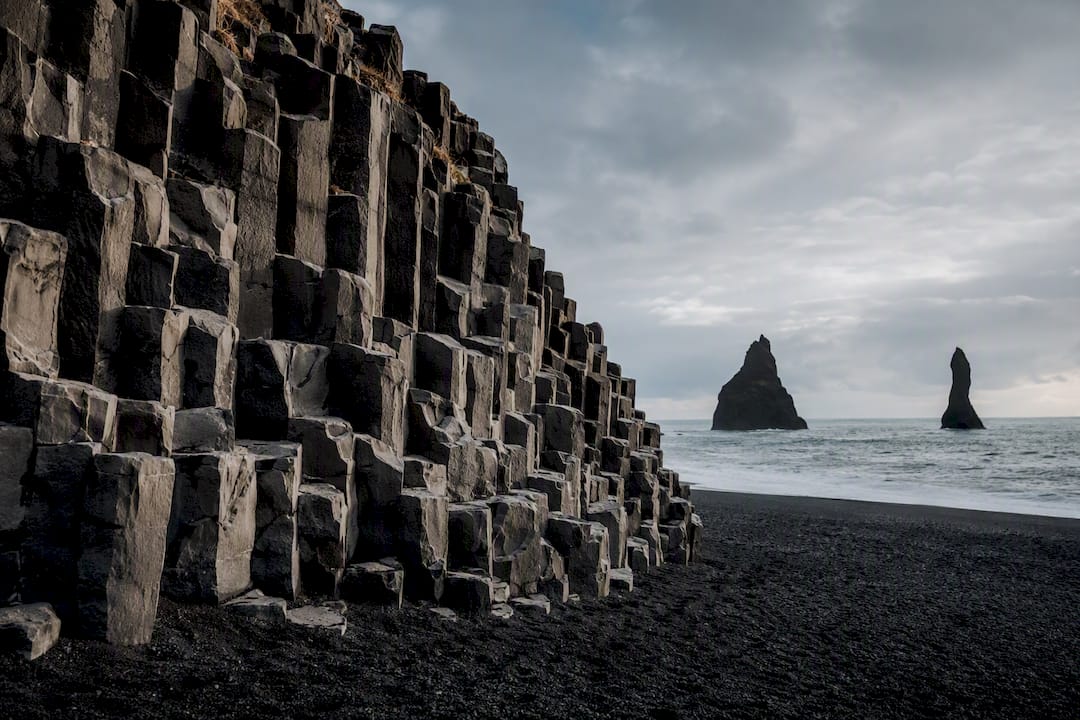
- Reynisfjara. Black volcanic sand and dramatic basalt columns, and also the most dangerous stop on this list. Sneaker waves here have killed visitors who wandered too close to the water. Stay well back from the shoreline and take the warning signs seriously.
- Dyrhólaey. A sea arch and cliff viewpoint with puffin colonies in summer. Access sometimes closes during nesting season to protect the birds, so check current status if you're traveling between May and August.
- Vík. The natural turnaround point, with fuel, cafés, and toilets. It's your last real services stop before Route 1 continues toward the eastern glaciers.
What's the Best Timed Itinerary for a Day Trip?
A well-paced south coast run looks something like this if you leave Reykjavík between 7:00 and 8:00 AM.
- 7:00 AM departure. Drive straight to Seljalandsfoss, arriving around 8:45 AM.
- Seljalandsfoss and Gljúfrabúi, 45 to 60 minutes. Cover both falls since they're a five-minute walk apart.
- Skógafoss, 30 to 45 minutes. Roughly 30 minutes further east.
- Reynisfjara and Dyrhólaey, 1.5 hours combined. These two sit close together near Vík and deserve the most time on your list.
- Lunch in Vík, around 1:00 to 2:00 PM. You'll have earned it by now.
- Return drive, departing Vík by 3:00 PM at the latest. This gets you back to Reykjavík by early evening with light to spare.
If you're tight on time, cut Sólheimajökull and put that hour toward Reynisfjara and Dyrhólaey instead. If Mýrdalssandur closes ahead of Vík, don't push through: wait it out in Selfoss or turn the day into a shorter Reykjavík area loop and reschedule the south coast for tomorrow. Booking a flexible night in Vík is also a reasonable plan B if conditions look borderline by early afternoon.
Self-Drive, Bus, Tour, or Private Transfer: What Fits You?
Every option gets you to Vík, but they don't cost you the same amount of time, money, or stress.
- Self-drive. Total flexibility to linger at Reynisfjara or skip Sólheimajökull on a whim, but you carry the weather risk and the responsibility for gravel or sand damage to the rental.
- Bus. The cheapest option on paper, but journeys involve a transfer through Selfoss and average closer to 3 hours and 40 minutes one-way, noticeably slower than driving yourself.
- Guided tours. A driver handles the navigation and adds commentary at each stop, though you're locked into the group's schedule and a fixed roster of stops.
- Private transfers. The pick for families, small groups, or anyone who'd rather not watch the clock. A local driver knows exactly how much time each stop deserves and adjusts if the weather shifts.
For Irish travellers used to shorter driving days at home, a private transfer often solves the biggest headache: reading unfamiliar road signage and wind warnings while also trying to enjoy the scenery. Handing that over to someone who does this route regularly tends to make the day feel shorter, not longer.
What Should You Check Before Renting or Driving?
A little preparation before you pick up the keys saves a lot of stress later. Run through this list the night before you leave Reykjavík.
- Bring your driving licence and a credit card in the renter's name; Irish licenses are accepted without an international permit for tourist stays.
- Ask about SAAP (sand and ash protection) insurance, an add-on many companies push specifically for south coast routes where wind-blown grit can pit windshields and paint.
- Expect informal roadside parking at smaller pull-outs; use marked lots at Seljalandsfoss, Skógafoss, and Reynisfjara rather than blocking the shoulder.
- Budget fuel costs around the Hvolsvöllur to Vík stretch, the longest gap between stations on this route.
- If you've rented an EV, map your charging stops in advance; infrastructure thins out once you're past greater Reykjavík.
Pro Tip: Carry a physical map or offline map download as a backup. Cell signal drops in a few pockets along Route 1, and you don't want your navigation dying right as a road sign tells you something changed.
How Do You Read Road and Weather Warnings on This Route?
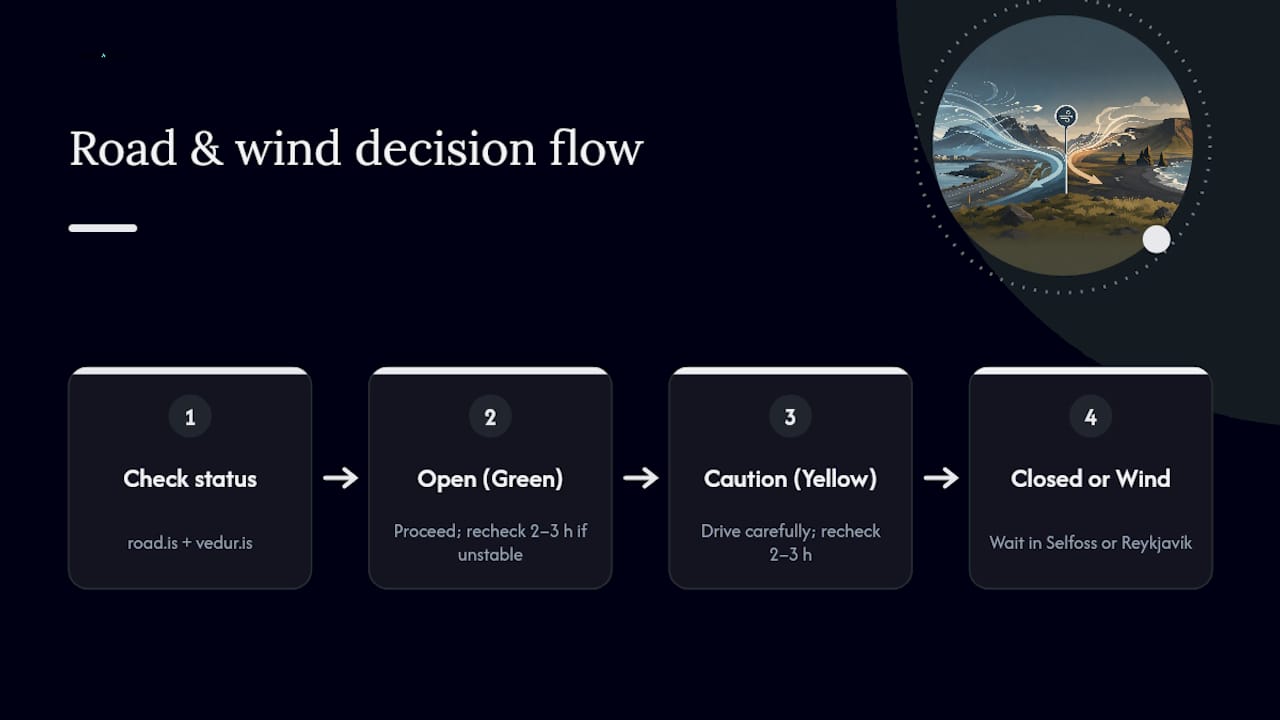
Wind and blowing sand across the Mýrdalssandur outwash plain near Vík are the most common cause of south coast closures, and these closures typically run anywhere from six to twenty-four hours before conditions ease. That's a wide enough window that checking status once before leaving Reykjavík isn't enough. Recheck every two to three hours if the forecast looks unstable.
Reynisfjara carries a separate, more immediate danger: sneaker waves that surge far higher up the beach than they appear capable of, and they've caused fatalities. Keep well back from the water and treat every posted warning sign as literal, not decorative.
On road.is, green means open and clear, yellow signals caution such as icy patches or restricted visibility, and red means closed. Pair that with wind warnings on vedur.is, since gusts strong enough to fling a car door open and damage it are common on the exposed Mýrdalssandur stretch. If either source flags trouble ahead, the right call is to wait in Selfoss or Reykjavík rather than push toward a closed section.
How Does a Private Transfer Simplify the Reykjavík to Vík Run?
A private transfer removes the parts of this drive that cause the most stress: reading wind warnings, tracking road status, and deciding whether to push on or turn back. Private transfer services offer door-to-door pickup in premium vehicles with options for various group sizes, live flight tracking, fixed pricing with no surprise add-ons, and 24/7 customer support, which matters if your plans shift mid-trip.
Families with young kids, cruise passengers working against a return-to-port deadline, and anyone uneasy about driving in unfamiliar wind conditions tend to benefit most from handing the logistics to a local driver.
Where Should You Eat or Rest Along the Way?
Vík itself is your main dining hub on this route, with a handful of cafés and restaurants clustered near the town center that serve everything from simple soup and sandwiches to full sit-down lamb dinners. Most travelers time lunch here around 1:00 to 2:00 PM, right after Reynisfjara and Dyrhólaey, since it lines up naturally with the return leg.
Along the way, Hvolsvöllur makes a sensible coffee or bathroom stop roughly halfway through the drive, with a petrol station and small café options that don't require much of a detour. Selfoss, closer to Reykjavík, works well as an early or late-day stop if you want a proper meal before or after the long stretch east.
Skip the temptation to eat at every waterfall parking lot. Most have limited or no food options beyond a vending machine, and lingering too long at each stop is exactly what turns a manageable day trip into a rushed, stressful evening drive home in the dark. Pack a few snacks and a water bottle for the car, then save your actual meal breaks for towns with real kitchens. It keeps the day moving and gives you a genuine break rather than a hurried bite standing in a gravel car park.
Why Do These Sites Matter Beyond the Photos?
Seljalandsfoss and Skógafoss both sit near the old coastline, back when the sea reached much further inland than it does today. That geological history explains why these waterfalls drop from what look like inland cliffs rather than mountains; they're pouring off what used to be sea cliffs thousands of years ago.
Vík and the surrounding area carry a heavier weight of local memory tied to the 1918 eruption of Katla, the volcano hidden beneath the Mýrdalsjökull ice cap that looms behind the town. Locals still watch that mountain closely, and the flat, sandy Mýrdalssandur plain you drive across on the way in is itself a product of past glacial flooding from Katla eruptions, not just wind erosion.
Reynisfjara's basalt columns and the sea stacks visible offshore, known as Reynisdrangar, come wrapped in Icelandic folklore about trolls caught by sunlight and turned to stone before they could drag a ship ashore. It's a story worth knowing before you stand on that beach, if only because it explains why locals treat the site with a mix of reverence and caution that goes beyond just the physical danger of the waves.
How Does the Season Change Your Reykjavík to Vík Trip?
Summer, roughly May through August, gives you the longest daylight windows and the calmest average conditions, which makes it the easiest season for this drive. Roads stay clear, a standard 2WD rental is fine, and you'll have daylight well past 10:00 PM to work with if you run late.
Winter is a different trip entirely. Daylight shrinks to a few hours in December, wind and sand closures on Mýrdalssandur become more frequent, and a 4x4 with winter tyres becomes the sensible choice rather than an option. Ice on bridges and shaded sections near Skógafoss is common even when the main road looks clear.
Shoulder seasons, September and October or April and May, split the difference: fewer crowds at Reynisfjara and Seljalandsfoss, but weather that can shift from calm to closure-level wind within a single afternoon. If you're traveling in these windows, build extra slack into your day and check both live-status sources more than once before committing to the drive.
When's the Best Time to Go to Beat Crowds and Weather?
Early morning departures, ideally before 8:00 AM, get you to Seljalandsfoss and Skógafoss well ahead of the coach tours that tend to arrive from mid-morning onward. Reynisfjara in particular gets noticeably busier by early afternoon, so front-loading your day with the coastal stops pays off twice: better photos, and less time waiting for a gap in the crowd to get a clean shot of the basalt columns.
Seasonally, late spring and early autumn strike a reasonable balance between manageable crowds and stable enough weather to avoid the worst closure risk. Midsummer, particularly July, draws the heaviest traffic on Route 1, so if you can shift your trip even a few weeks either side of peak season, you'll notice the difference at every major stop.
Where Can You Stay in Vík for a Longer Visit?
If a single day doesn't feel like enough, and for many travelers it genuinely isn't, Vík supports overnight stays ranging from guesthouses and small hotels in the town center to farm stays and cabins scattered along the surrounding countryside. Staying overnight also gives you a buffer against exactly the kind of closure or wind warning that can derail a same-day return, since you're not racing a clock to get back to Reykjavík before dark.
An overnight stop opens up nearby extras too, including easier access to Fjaðrárgljúfur canyon further east and calmer, less crowded visits to Reynisfjara at sunrise before the day's tour buses arrive.
How Can You Get the Best Photos Along the Route?
Seljalandsfoss rewards patience more than most stops, since the light shifts constantly as you move around behind the falls. Midday sun tends to wash out the shot; late afternoon light angles in and often produces a rainbow effect in the spray.
Reynisfjara's basalt columns photograph best in overcast light, which is common enough here that you won't need to wait for a sunny day. The real trick is composition, not light: get low with the columns as a foreground frame against the sea stacks offshore, but never at the cost of standing closer to the water than the posted markers allow.
Dyrhólaey's arch is the one shot most people miss because they don't climb high enough. The upper viewpoint, reached by a short walk from the parking area, gives you the full arch and coastline in one frame rather than the cropped view from the lower lot. Bring a zoom lens if you want puffins during nesting season, since the birds keep their distance from the cliff edge.
Should You Drive Yourself or Book a Transfer?
Driving gives you freedom and costs less upfront, but it also hands you the weather calls and the navigation. A transfer costs more but removes that stress entirely. For solo budget travellers, self-drive usually wins; for couples, families, or groups juggling luggage and flight timing, booking a transfer is the better trade.
— Sergiu
Ready to Book Your South Coast Transfer?
Easytransfer.is is the alternative to renting and self-navigating for your Reykjavík to Vík trip: one fixed price, a local driver who already knows how Mýrdalssandur behaves in bad wind, and no gravel-damage insurance headache to sort out with a rental desk.
The service covers door-to-door pickup in premium vehicles with options for larger groups. Every booking includes live flight tracking so your driver adjusts automatically if your schedule shifts, fixed pricing with no hidden add-ons, and 24/7 support if plans change mid-trip. Cancellations are refunded in full up to 24 hours ahead, so locking in a booking early doesn't box you in. If you're weighing a south coast day trip against the hassle of a rental car in unpredictable wind, request a quote through the private transfers page and get a fixed price back within 24 hours.
Live Resources Worth Checking Before You Drive
Check road.is for live closures and color-coded status on Route 1 and the Mýrdalssandur stretch specifically. Pair it with vedur.is for wind warnings, since gusts, not ice, cause most south coast disruptions. Both update frequently enough to check again mid-morning if your forecast looked unstable the night before.
Sources
- Iceland
- Iceland-Spirit — Iceland road conditions guide
- Map of Iceland — Can I drive? South coast to Vík
- Slice of Iceland — Driving in Iceland: A practical guide for visitors
FAQ
Is Vík a Realistic Day Trip From Reykjavík?
Yes, for most travellers, though expect a 10 to 12 hour day once you include stops at Seljalandsfoss, Skógafoss, and Reynisfjara. The drive itself is about 2.5 to 3 hours each way, so the stops, not the road, are what fill your day.
Is There a Ferry From Iceland to Ireland?
No direct passenger ferry connects Iceland to Ireland; travel between the two countries is done by air, typically via Reykjavík's Keflavík Airport. If you're flying in, an airport transfer can bridge that first leg before your south coast trip.
Should I Bring Toilet Paper to Iceland?
It's not necessary on the Reykjavík to Vík route specifically, since Seljalandsfoss, Skógafoss, and Vík itself all have staffed facilities. It's a more relevant tip for remote highland routes than for this well-serviced south coast corridor.
Is It Worth Going to Vík?
Yes. The drive delivers some of Iceland's most recognizable scenery in a single day, from Seljalandsfoss's walk-behind waterfall to Reynisfjara's black sand and basalt columns, without requiring a multi-day itinerary.
How Do I Get From Reykjavík to Vík Without Driving Myself?
You can take a bus, which involves a transfer and runs close to 3 hours and 40 minutes one-way, join a guided tour with fixed stops, or book a private transfer for direct door-to-door service on your own schedule.