
TL;DR:
- September in Reykjavik offers mild weather, vibrant autumn colors, and the start of the northern lights season. Visitors can enjoy whale watching, cultural festivals, and outdoor adventures with manageable crowds and lower prices. To make the most of the trip, pack waterproof gear, plan evening aurora excursions, and book private airport transfers in advance.
September is the best month to visit Reykjavik if you want mild weather, golden autumn colors, and your first real shot at seeing the northern lights. Temperatures stay cool but manageable, daylight runs 12–14 hours, and the city shifts from summer crowds to a quieter, more local rhythm. The Reykjavík International Film Festival (RIFF) fills the cultural calendar, whale watching remains in full swing, and parks like Öskjuhlíð turn vivid shades of amber and gold. This guide covers everything you need for a well-planned Reykjavik September trip.
What is the weather like in Reykjavik in September?
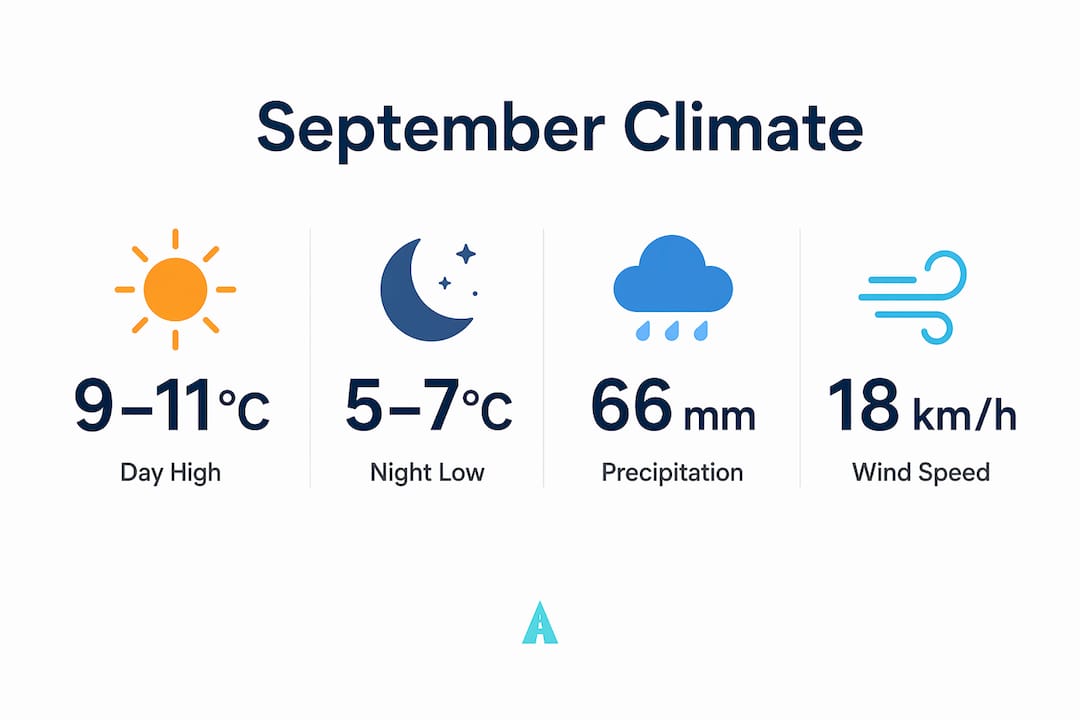
Average temperatures in September range from 5 to 11°C (41–52°F), with daytime highs closer to 11°C and nights dropping toward 5°C. Rain falls on roughly 11 days during the month. That means you should expect wet stretches, not constant drizzle.
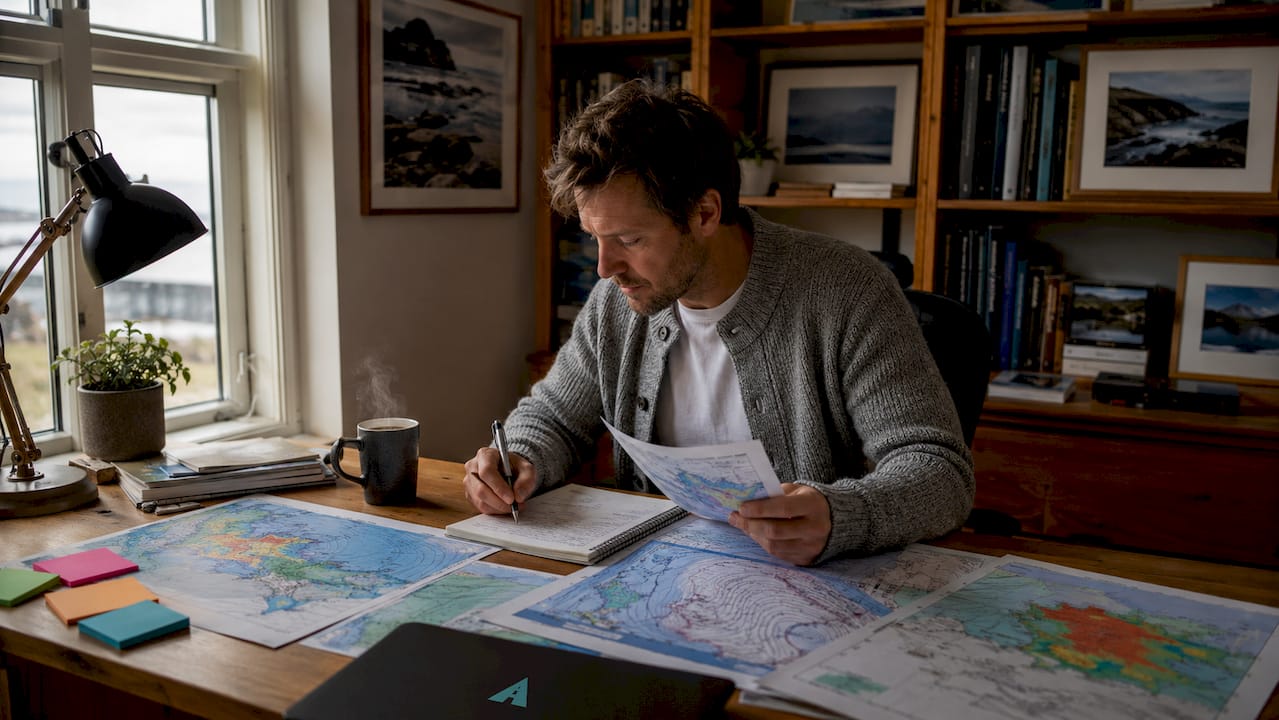
Wind is the bigger challenge. Wind-driven rain is common, and a standard umbrella will fail you quickly. The wind flips them inside out and soaks you from the side. A waterproof, windproof shell jacket is non-negotiable.
Daylight is generous in early september but shortens fast. By mid-month, sunrise sits around 6:50 am and sunset near 7:40 pm. After the autumnal equinox on september 22, days and nights equalize, and darkness arrives earlier each evening.
September climate snapshot
| Condition | Typical range |
|---|---|
| Daytime high | 9–11°C (48–52°F) |
| Nighttime low | 5–7°C (41–45°F) |
| Monthly precipitation | ~66 mm |
| Rainy days | ~11 days |
| Daylight hours (mid-month) | 12–14 hours |
| Wind speed (average) | ~18 km/h |
Pro Tip: Pack a mid-layer fleece, a waterproof shell, thermal base layers, a warm hat, and gloves. Sturdy waterproof boots matter more than stylish ones when Reykjavik's harbor winds kick up after dark.
What are the best things to do in Reykjavik in September?
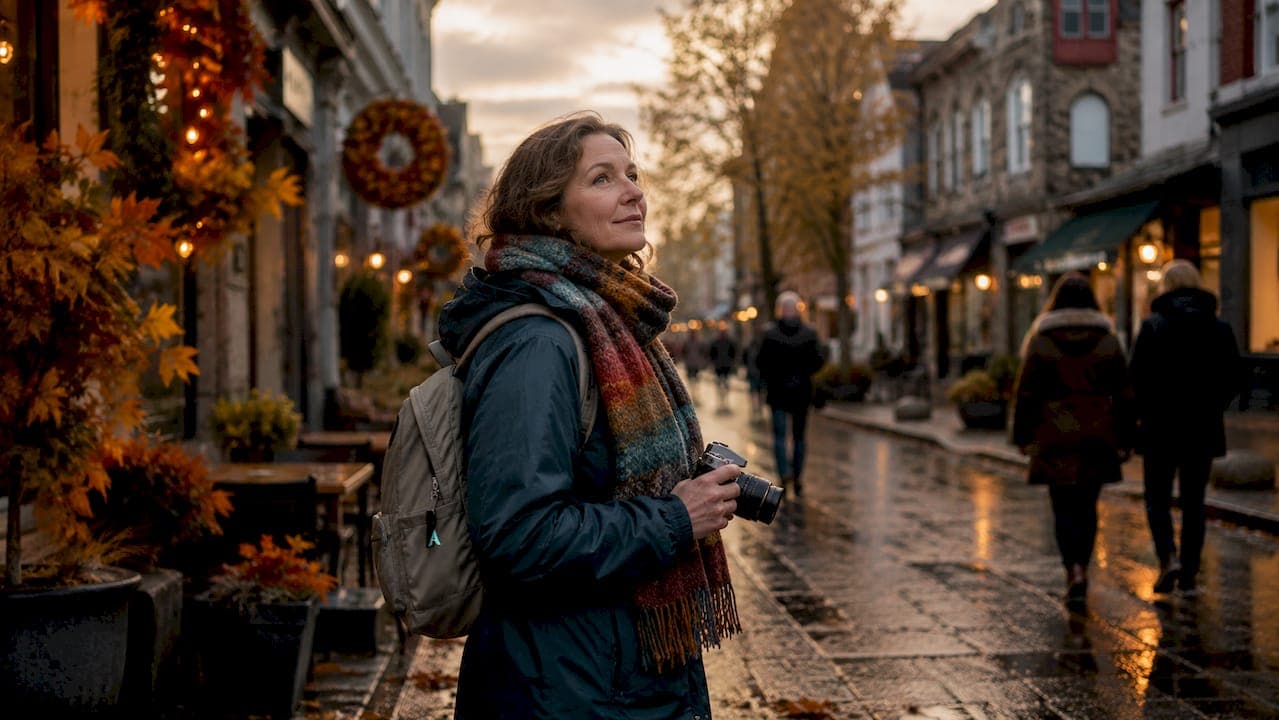
September sits in a sweet spot. Summer crowds have thinned, prices drop slightly, and the city offers both outdoor and indoor experiences worth your time. Autumn foliage peaks in city parks like Öskjuhlíð and Hallargarðurinn, with golden birch trees lining walking paths you can reach on foot from the city center.
The northern lights return in september. Darkness after 9:00 pm creates the first real viewing windows of the season, and the equinox boosts geomagnetic activity. That combination makes late september the most productive time for aurora hunters.
Here are the top activities for visiting Reykjavik this fall:
- Northern lights viewing after 9:00 pm from spots outside the city center, such as Grótta lighthouse on the Seltjarnarnes Peninsula
- Whale watching tours from the Old Harbor. Whale watching continues through October, making september a reliable month for humpback and minke sightings
- Kayaking at Geldinganes Peninsula, where sheltered bays keep conditions calm even when the open sea is rough
- Hiking in Öskjuhlíð forest, a 15-minute walk from downtown with marked trails through autumn color
- Attending RIFF, the Reykjavík International Film Festival, which runs in late september with screenings across the city
- Visiting the Perlan planetarium for an indoor northern lights show on cloudy nights when outdoor viewing is blocked
- Sheep roundup (réttir) events in the countryside just outside Reykjavik, a genuine Icelandic harvest tradition open to visitors
Pro Tip: Schedule your outdoor aurora attempts for nights with a clear sky forecast. Check the Icelandic Meteorological Office app the morning of, and book a backup Perlan visit for the same week. That way a cloudy night does not cost you the experience entirely.
How to prepare for traveling to Reykjavik in September
Packing for september in Reykjavik means preparing for four seasons in one day. The weather shifts fast, and what works at noon may leave you cold and wet by 8:00 pm.
Packing checklist
- Waterproof, windproof shell jacket (your most important item)
- Thermal base layer top and bottom
- Mid-layer fleece or insulated jacket
- Waterproof hiking or walking boots
- Warm hat and gloves
- Quick-dry travel pants
- Camera with extra batteries (cold drains them fast)
- Wide-angle lens or phone tripod for northern lights photography
Effective packing prioritizes wind-driven rain protection over light-shower gear. Leave the compact umbrella at home. Bring the shell jacket instead.
For photography, a tripod is the single most useful piece of gear for aurora shots. Long exposures require stability, and handheld shots in low light produce blurry results. Bring spare batteries and keep them in an inside pocket to preserve warmth.
Pro Tip: Schedule autumn foliage walks in the morning or early afternoon. Daylight for photography peaks before 3:00 pm in late september, and golden-hour light hits the birch trees beautifully in the late morning.
Getting from Keflavík Airport to Reykjavik takes about 45 minutes by road. A private airport transfer removes the stress of navigating buses with luggage in cold, wet weather. Book it before you land, especially if you arrive late in the evening.
What unique September events and cultural experiences take place in Reykjavik?
September marks a clear shift in Reykjavik's cultural calendar. The summer festival season winds down, and the city moves into a more local, intimate rhythm. That shift works in your favor as a traveler.
The Reykjavík International Film Festival (RIFF) is the headline event. It runs in late september with screenings at venues across the city. The 2026 program includes swim-in screenings and improved accessibility provisions for mobility-impaired and sensory-sensitive attendees. RIFF draws international directors and Icelandic filmmakers, and tickets are reasonably priced compared to similar festivals in Western Europe.
Other notable september experiences include:
- Réttir (sheep roundup): Farmers and volunteers herd sheep down from highland pastures in a tradition dating back centuries. Visitors can join organized réttir tours from Reykjavik and help sort sheep into pens by family markings. It is one of the most authentic rural Icelandic experiences available to tourists.
- Harvest markets and local food events: Several neighborhoods host small outdoor markets in september, featuring Icelandic produce, smoked fish, and handmade goods.
- Gallery and museum openings: Reykjavik's art scene launches new autumn exhibitions in september, with venues like the Reykjavik Art Museum and the National Gallery of Iceland opening fresh shows.
The shoulder season also means shorter lines at popular sites like Hallgrímskirkja church and the National Museum of Iceland. You get the full experience without the july crowds.
How does daylight and nightfall in September affect sightseeing and aurora viewing?
September's daylight schedule rewards travelers who plan around it. Here is how the day breaks down in mid-september:
- Sunrise at approximately 6:50 am: Early risers get soft morning light over the harbor and Hallgrímskirkja with almost no other tourists around.
- Peak sightseeing window from 9:00 am to 5:00 pm: Full daylight covers outdoor walks, park visits, and day trips to the Golden Circle or South Coast.
- Sunset near 7:40 pm: The sky turns orange and pink over Mount Esja. This is the best time to be at Grótta lighthouse or the Seltjarnarnes coastline.
- Darkness after 9:00 pm: Aurora viewing windows open after 9:00 pm as the sky darkens enough to see the northern lights.
- Equinox on september 22: Day and night equalize. After this date, darkness arrives earlier each evening, extending the aurora window progressively.
Daylight vs. aurora window comparison
| Time of month | Sunset | Aurora window starts | Usable dark hours |
|---|---|---|---|
| Early september | ~8:10 pm | ~9:30 pm | ~6 hours |
| Mid-september | ~7:40 pm | ~9:00 pm | ~7 hours |
| Late september | ~7:00 pm | ~8:30 pm | ~8 hours |
Plan multiple evening attempts for aurora viewing because cloud cover in september is unpredictable. A clear forecast can turn overcast within two hours. Booking three or four nights in Reykjavik gives you enough attempts to catch a clear window.
The Perlan planetarium offers a guaranteed indoor aurora experience on nights when clouds block the real thing. The show runs daily and uses a full-dome projection system to simulate the northern lights accurately. It is a solid backup, not a consolation prize.
Pro Tip: Download the Aurora Forecast app by the Icelandic Meteorological Office. Set alerts for KP index above 3 and cloud cover below 50%. When both conditions align, head out immediately. The best displays often last under 30 minutes.
Key takeaways
September is the ideal month to visit Reykjavik for travelers who want northern lights, autumn colors, cultural events, and manageable crowds without the extremes of winter.
| Point | Details |
|---|---|
| Weather preparation | Pack a waterproof shell, thermal layers, and sturdy boots to handle wind-driven rain comfortably. |
| Aurora timing | Darkness starts after 9:00 pm; late september offers the longest dark windows for northern lights viewing. |
| Top activities | Whale watching, RIFF screenings, Öskjuhlíð forest walks, and réttir roundups are all september-specific highlights. |
| Daylight planning | Schedule outdoor sightseeing before 5:00 pm and reserve evenings for aurora attempts or cultural events. |
| Transportation | Book a private airport transfer from Keflavík in advance to avoid delays in cold, wet arrival conditions. |
September in Reykjavik: what I actually tell people before they go
Most travelers I speak with underestimate how fast the weather changes in september. They pack for "cool autumn" and get caught in sideways rain at 7:00 pm with a light jacket and wet shoes. The fix is simple: treat the shell jacket as your base layer, not your backup.
The northern lights piece surprises people too. Many visitors expect to step outside after dinner and see a green sky. The reality is that you need patience, multiple nights, and a willingness to stay up past 10:00 pm in the cold. The travelers who see the best displays are the ones who check the forecast obsessively and move fast when conditions align. I have seen people wait four nights and get a spectacular show on the last one. I have also seen people give up after two cloudy nights and miss a clear sky on night three.
My favorite part of september in Reykjavik is the parks. Öskjuhlíð in the morning, when the birch trees are gold and the trails are empty, is genuinely one of the best urban nature walks in Northern Europe. You do not need to drive anywhere. You walk there from the city center, spend an hour, and come back for coffee on Laugavegur. That combination of accessibility and beauty is rare.
Attend RIFF if you can overlap with it. The swim-in screening is a genuinely unusual experience, and the regular program brings films you will not find on streaming services for months. Pair it with a réttir day trip and you leave Reykjavik feeling like you actually understood the place, not just photographed it.
— Sergiu
Reliable transportation for your Reykjavik September visit
Arriving at Keflavík Airport after a long flight in cold, wet september weather is not the moment to figure out bus schedules. A private transfer gets you directly to your Reykjavik hotel with no stops, no shared vehicles, and no waiting in the rain.
Easytransfer provides private transfers from Keflavík Airport to Reykjavik in premium vehicles, including Mercedes models and Tesla electric cars. The service includes flight tracking, fixed pricing with no hidden fees, and free WiFi onboard. If your plans include the Blue Lagoon, Easytransfer also covers transfers to Blue Lagoon directly from the city. Book your Iceland private transfer in advance and start your september trip without the stress of ground logistics.
FAQ
What is the weather like in Reykjavik in September?
Temperatures average 5–11°C (41–52°F) with about 66 mm of precipitation and wind speeds near 18 km/h. Rain falls on roughly 11 days, and wind-driven showers make waterproof gear more useful than an umbrella.
Can you see the northern lights in Reykjavik in September?
Yes. The northern lights return in september as darkness extends past 9:00 pm after the equinox. Plan multiple evening attempts because cloud cover is variable, and use the Perlan planetarium as a backup on overcast nights.
How many daylight hours does Reykjavik get in September?
Mid-september brings approximately 12–14 hours of daylight, with sunrise around 6:50 am and sunset near 7:40 pm. After the september 22 equinox, daylight shortens noticeably each day.
What events happen in Reykjavik in September?
The Reykjavík International Film Festival (RIFF) is the main cultural event, running in late september with city-wide screenings. The traditional sheep roundup (réttir) also takes place, offering visitors a hands-on Icelandic harvest experience.
Is September a good time to visit Reykjavik?
September is one of the best months to visit. You get mild temperatures, autumn foliage, the start of aurora season, active whale watching, and fewer crowds than july or august, all at slightly lower prices.