
TL;DR:
- Raufarhólshellir is one of Iceland's longest and most accessible lava tubes, located 30 km from Reykjavík. Its 5,200-year-old formation features unique geological features like lavacicles, color banding, skylights, and lava benches, with seasonal ice formations in winter. Guided tours last around 50-60 minutes, and visitors should wear thermal, waterproof clothing due to the cave's cold and damp environment.
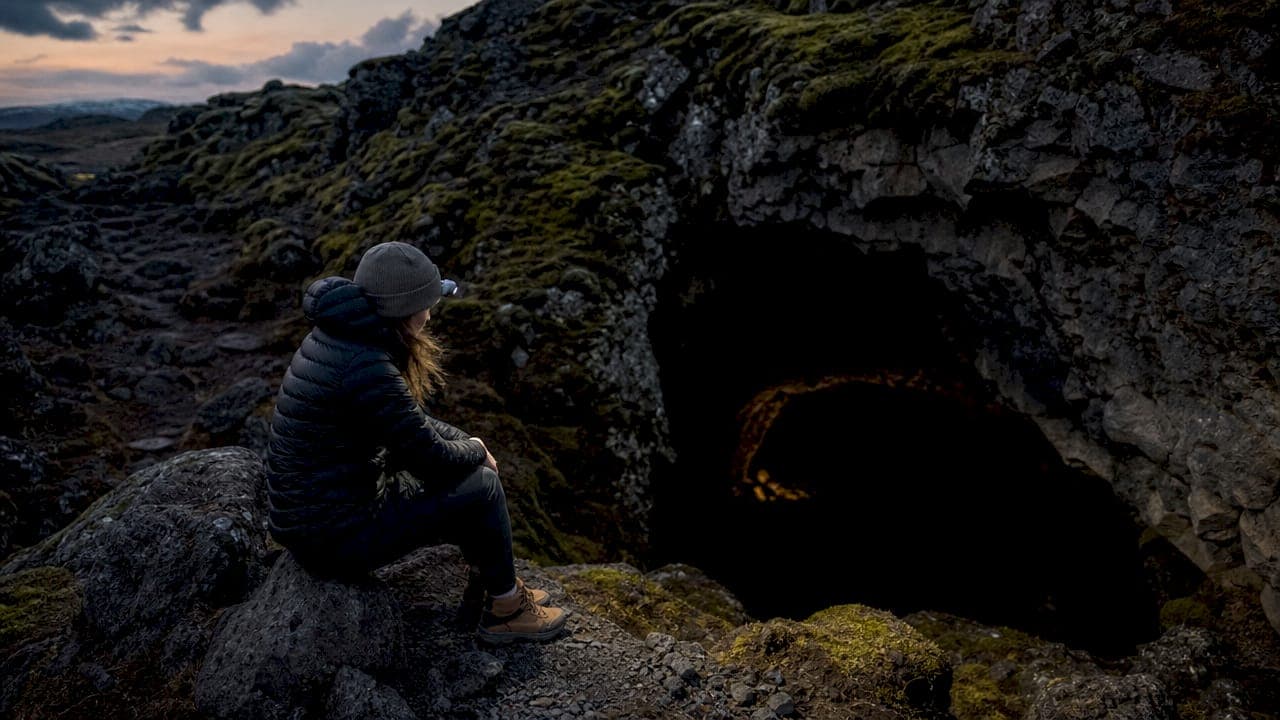
Raufarhólshellir is defined as one of Iceland's longest and most accessible lava tubes, stretching approximately 1,360 meters beneath the Reykjavík peninsula. Located just 30 km southeast of the capital, this ancient lava tunnel formed over 5,200 years ago and ranks as the fourth longest lava tube in Iceland. Travelers planning a trip to Iceland consistently rate it as one of the most rewarding underground experiences near Reykjavík, combining genuine geological drama with a short, manageable visit. Whether you are a first-time cave visitor or a geology enthusiast, Raufarhólshellir delivers something genuinely rare: a walk through deep volcanic history, just 30 minutes from your hotel.
What geological features make Raufarhólshellir unique?
Raufarhólshellir formed approximately 5,200 years ago during the Leitahraun eruption, when flowing lava cooled on its outer surface while molten rock continued draining from inside. That draining process left behind a hollow tube, which is the standard mechanism for lava tube formation worldwide. What makes this particular tube stand out is its scale, its preserved internal structures, and its seasonal transformations.
Inside the cave, you will find several distinct geological features that guides explain at dedicated stop points along the route:
- Lavacicles: These are lava stalactites that formed when molten rock dripped from the ceiling and cooled mid-drop. They look similar to limestone cave stalactites but are made entirely of basalt.
- Color banding: The walls display dramatic bands of red, orange, black, and gray. Each color reflects a different mineral composition or oxidation level from the original lava flow.
- Skylights: Natural openings in the cave ceiling where the roof collapsed after the lava drained. These let in daylight and create striking visual contrasts against the dark rock.
- Lava benches: Horizontal shelves along the walls that mark different lava flow levels as the tube drained in stages.
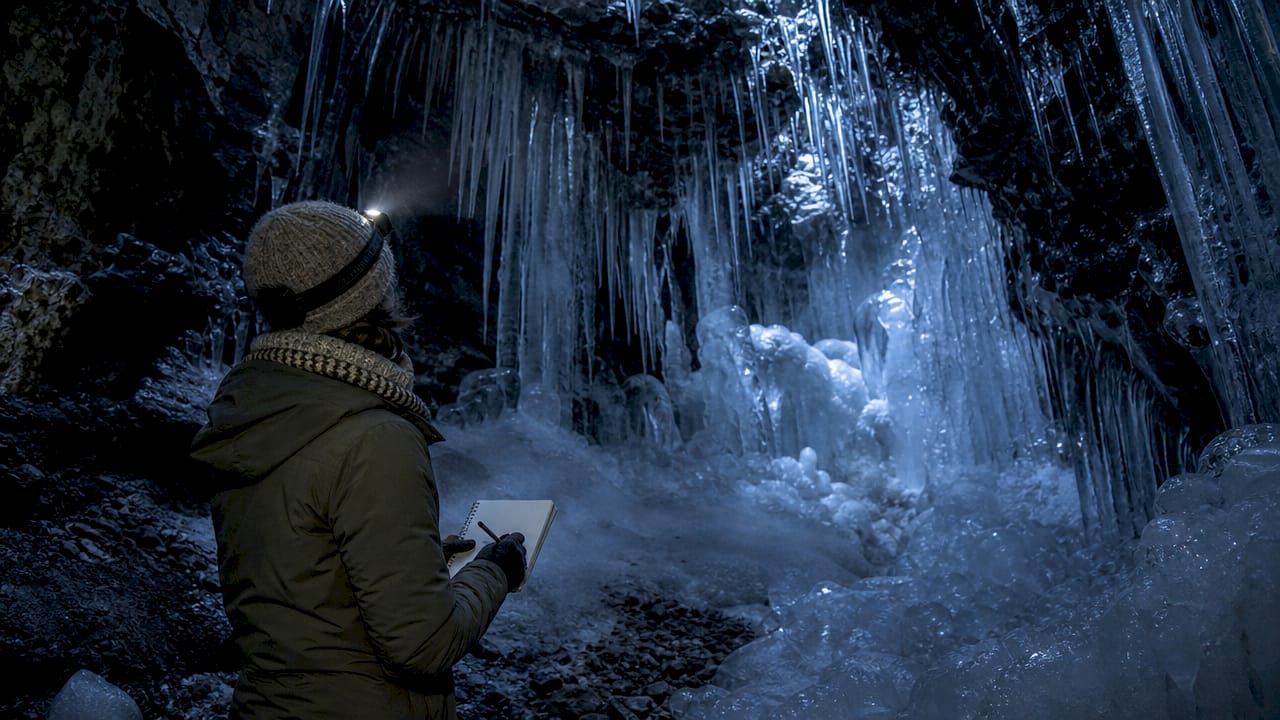
The cave also transforms significantly with the seasons. Winter tours from november through march reveal natural ice stalactites and stalagmites near the entrance, formed when water seeps in and freezes in the cold interior. That seasonal ice layer adds a completely different visual dimension to the same geological space.
Pro Tip: Visit in january or february if you want to see the ice formations at their most dramatic. The cave entrance area fills with layered ice sculptures that are entirely absent during summer visits.
Compared to other Iceland lava tubes, Raufarhólshellir stands apart for its combination of length, color variety, and proximity to Reykjavík. Smaller tubes in Iceland offer fewer internal features, while longer ones are often located in remote areas requiring significant travel. This cave hits a practical middle ground that few Iceland underground caves can match.
How can you visit Raufarhólshellir? Accessibility and tour options
Getting to Raufarhólshellir is straightforward. The cave sits 30 km southeast of Reykjavík along Route 39, a fully paved road with free parking at the visitor cabin. The drive takes roughly 30 minutes from central Reykjavík, making it a realistic half-day excursion even on a tight schedule.
You have two main options for getting there:
- Self-drive: Rent a car and drive Route 39 directly to the site. This gives you full flexibility on timing and allows you to combine the visit with other nearby stops on the same day.
- Guided bus tours: Several tour operators run scheduled departures from Reykjavík. These tours include transport, a guide, and all safety equipment. They suit travelers who prefer not to drive or who want expert geological commentary throughout.
- Private transfer: Book a private vehicle directly to the cave entrance. This option works well for families, small groups, or travelers arriving from Keflavík Airport who want to stop at the cave before reaching Reykjavík.
The standard guided tour lasts approximately 50–60 minutes, with departures running hourly between 9:00 AM and 5:00 PM. All visitors receive a helmet and a lighting device included in the tour price. No prior caving experience is required.
Physical preparation matters here. The cave maintains a constant temperature of roughly 2–6°C year-round, which is significantly colder than a typical Icelandic summer day outside. The environment is also damp. Wear thermal base layers, a warm mid-layer, and a waterproof outer shell. Sturdy, waterproof shoes with ankle support are non-negotiable given the uneven volcanic rock floor.
Accessibility is a real consideration. The pathway includes an elevated footbridge over the roughest terrain, but uneven ground remains throughout. Travelers with significant mobility difficulties will find the cave genuinely challenging despite how it is sometimes marketed.
Pro Tip: Book your tour slot in advance during summer months. The 9:00 AM and 10:00 AM departures fill up fastest, and walk-in availability is not guaranteed on peak days.
What nearby attractions can you combine with a visit?
Raufarhólshellir sits in one of Iceland's most attraction-dense corridors. The Blue Lagoon geothermal spa is just 15 minutes away by car, making a combined visit entirely practical within a single morning. The Golden Circle route, which includes Þingvellir National Park, the Geysir geothermal area, and Gullfoss waterfall, passes close enough to incorporate the cave as an add-on stop.
Here are the most practical combinations for different trip lengths:
- Half-day trip from Reykjavík: Drive to Raufarhólshellir for the 9:00 AM tour, finish by 10:30 AM, then head to the Blue Lagoon for an afternoon soak. You are back in Reykjavík by early evening.
- Full-day Golden Circle extension: Start with the cave in the morning, then join the Golden Circle route heading east through Þingvellir and on to Geysir. This works best with a rental car or private transfer.
- South Coast combination: Pair the cave with a drive along Iceland's South Coast to see Seljalandsfoss and Skógafoss waterfalls. The cave makes a strong opening stop before the coastal scenery unfolds.
For travelers comparing geothermal options nearby, the Sky Lagoon vs Blue Lagoon question often comes up when planning a cave-plus-spa day. Both are within easy reach of Raufarhólshellir.
| Nearby Attraction | Distance from Cave | Best Combined With |
|---|---|---|
| Blue Lagoon | ~15 minutes | Morning cave tour + afternoon spa |
| Þingvellir National Park | ~45 minutes | Golden Circle full-day route |
| Seljalandsfoss waterfall | ~1 hour | South Coast day trip |
| Reykjavík city center | ~30 minutes | Evening return after cave visit |
For a broader look at day trip options from the capital, the best day trips from Reykjavík guide covers how to structure multi-stop itineraries efficiently.
What should you expect during a guided lava tunnel tour?
The guided tour covers approximately 500–600 meters of the tube's stable front section. The remaining portion of the tunnel is legally closed due to unstable roof conditions, so the experience is contained but well-structured. Guides lead groups at a steady pace with stops at key geological features, explaining how each formation developed.
One moment that consistently surprises first-time visitors is the total darkness demonstration. Guides ask everyone to switch off their headlamps simultaneously, producing a level of darkness that is genuinely disorienting. Most people have never experienced complete absence of light, and the effect is memorable.
"The cave is a rare place where geology becomes visceral rather than academic. Standing in total darkness inside a 5,000-year-old lava tube, you feel the scale of volcanic time in a way no museum exhibit can replicate. The ice formations in winter add a layer of visual contrast that makes the same space feel entirely different from one season to the next."
Seasonal differences shape the experience significantly:
- Summer visits: Longer daylight outside creates a dramatic contrast when you enter the dark cave. The cave interior is dry near the back sections and more colorful without ice obscuring the rock walls.
- Winter visits: Ice stalactites and stalagmites appear near the entrance from november through march. The cave feels more atmospheric, and tour groups tend to be smaller.
Tour guides are trained in geology and safety, and they adapt their explanations to the group's background. Families with children find the format engaging. The 50–60 minute duration keeps the experience focused without fatigue.
Key Takeaways
Raufarhólshellir is Iceland's most accessible major lava tube, located 30 km from Reykjavík, and it delivers a complete geological cave experience in under one hour.
| Point | Details |
|---|---|
| Formation and age | The cave formed 5,200 years ago from the Leitahraun eruption and ranks as Iceland's fourth longest lava tube. |
| Tour duration and timing | Guided tours run 50–60 minutes with hourly departures from 9:00 AM to 5:00 PM; book in advance during summer. |
| Temperature and clothing | The cave stays at 2–6°C year-round; wear thermal layers, waterproof outerwear, and sturdy ankle-support shoes. |
| Seasonal highlights | Winter visits from november through march reveal ice stalactites and stalagmites not present in summer. |
| Itinerary combinations | The Blue Lagoon is 15 minutes away; the Golden Circle and South Coast are both practical same-day additions. |
Why Raufarhólshellir is the right first cave for Iceland visitors
I have seen a lot of travelers skip Raufarhólshellir because they assume it is a lesser version of Iceland's famous ice caves. That assumption is wrong, and it costs people one of the most grounded geological experiences the country offers.
Ice caves in Vatnajökull are spectacular, but they require long drives, glacier guides, and specific seasonal windows. Raufarhólshellir is the preferred cave experience for travelers based near Reykjavík precisely because it removes all those barriers. You drive 30 minutes, join a tour, and walk through 5,200 years of volcanic history before lunch.
The total darkness moment is something I always tell people to prepare for mentally. It is not frightening, but it is genuinely unfamiliar. Most adults have never stood in complete darkness, and the cave delivers that experience cleanly and safely. That moment alone makes the visit worth it.
My honest advice on timing: go in february if your schedule allows. The ice formations are at their peak, tour groups are smaller than in summer, and the contrast between the frozen entrance and the dark volcanic interior is unlike anything else in Iceland. Summer visits are still excellent, but winter adds a dimension that photographs cannot fully capture.
One myth worth correcting: the cave is not fully walkable. Only the front 600 meters are open. Some travelers arrive expecting to walk the entire 1,360-meter tube and feel shortchanged. The open section is genuinely rich in features, but set your expectations correctly before you go.
For context on how this cave fits into Iceland's broader volcanic tour options, the Iceland volcano tours guide covers the full range of experiences worth considering alongside Raufarhólshellir.
— Sergiu
Getting to Raufarhólshellir without the logistics stress
Planning transport to a cave 30 km outside Reykjavík adds a layer of complexity that many travelers underestimate, especially after a long international flight.

Easytransfer offers private transfers across Iceland with fixed pricing, no hidden fees, and door-to-door service from Keflavík Airport, Reykjavík hotels, or any other starting point. You can request a combined transfer that stops at Raufarhólshellir and continues to the Blue Lagoon or your Reykjavík accommodation in a single booking. Vehicles range from standard sedans to group-friendly options accommodating up to 49 passengers. Easytransfer's 24/7 support and 24-hour cancellation policy for a full refund mean you can book with confidence and adjust if your plans change. Get a quote at easytransfer.is and a sales agent will respond within 24 hours.
FAQ
What is Raufarhólshellir and where is it located?
Raufarhólshellir is a lava tube cave located 30 km southeast of Reykjavík, Iceland, along Route 39. It formed approximately 5,200 years ago and is the fourth longest lava tube in Iceland at roughly 1,360 meters.
How long does the Raufarhólshellir tour take?
The standard guided tour lasts 50–60 minutes, with hourly departures between 9:00 AM and 5:00 PM. All equipment including helmets and lights is provided.
What should I wear inside the lava tunnel?
The cave stays at 2–6°C year-round and is damp throughout. Wear thermal layers, a waterproof jacket, and sturdy waterproof shoes with ankle support.
Is Raufarhólshellir accessible for people with mobility difficulties?
The cave has an elevated footbridge over the roughest terrain, but uneven volcanic rock remains throughout the route. Travelers with significant mobility impairments will find the cave physically demanding.
When is the best time to visit Raufarhólshellir?
Winter visits from november through march offer natural ice formations inside the cave entrance that are absent in summer. Summer visits feature smaller tour groups and more visible rock color banding without ice coverage.