
TL;DR:
- Icelandic trolls are supernatural giants from Norse folklore, known for turning to stone in sunlight and shaping the country's dramatic rock formations. Their legends explain Iceland's geological features and reflect cultural values, morality, and survival strategies. Modern stories and tourism continue to honor their deep historical and cultural significance.
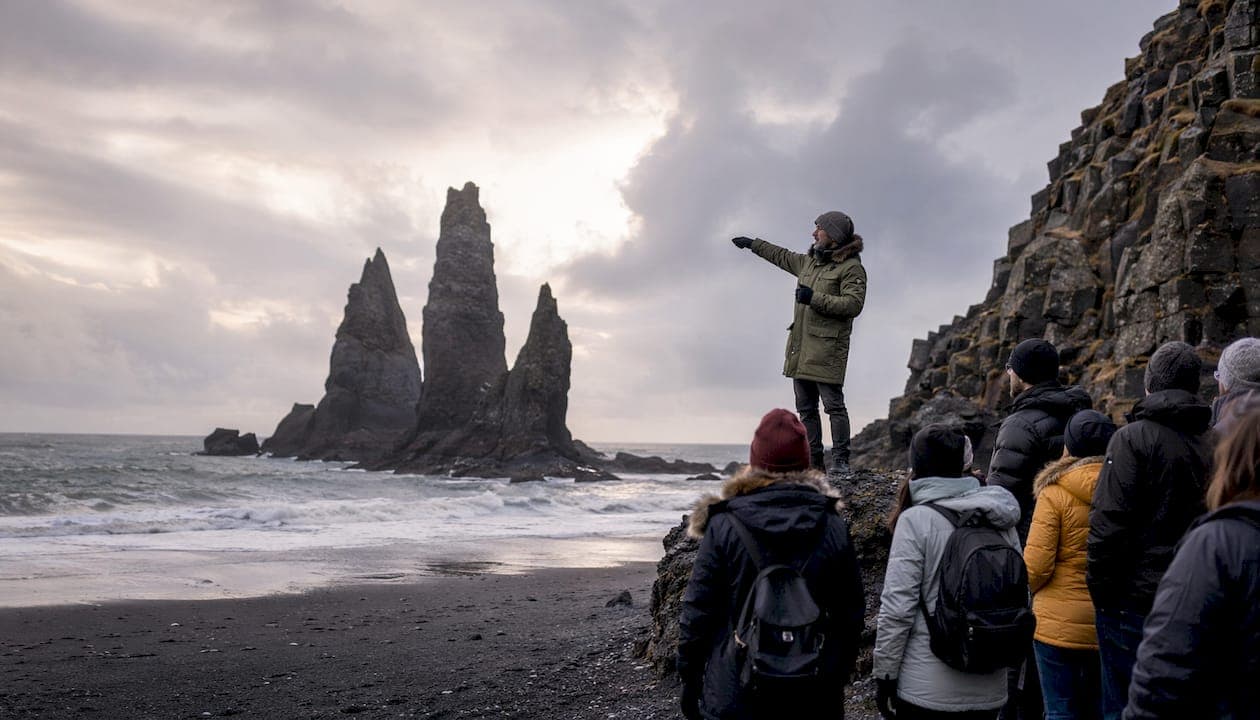
Icelandic trolls are defined as supernatural giants from Norse and Icelandic folklore, best known for turning to stone when caught in sunlight. This single trait explains dozens of Iceland's most dramatic rock formations, from the Reynisdrangar sea stacks near Vík to the hulking silhouette of Hvítserkur on the Vatnsnes peninsula. These creatures sit at the heart of Icelandic mythology, functioning as both cautionary figures and cultural anchors. Understanding them gives you a richer lens for reading the Icelandic landscape itself.
What are the key characteristics of Icelandic trolls?
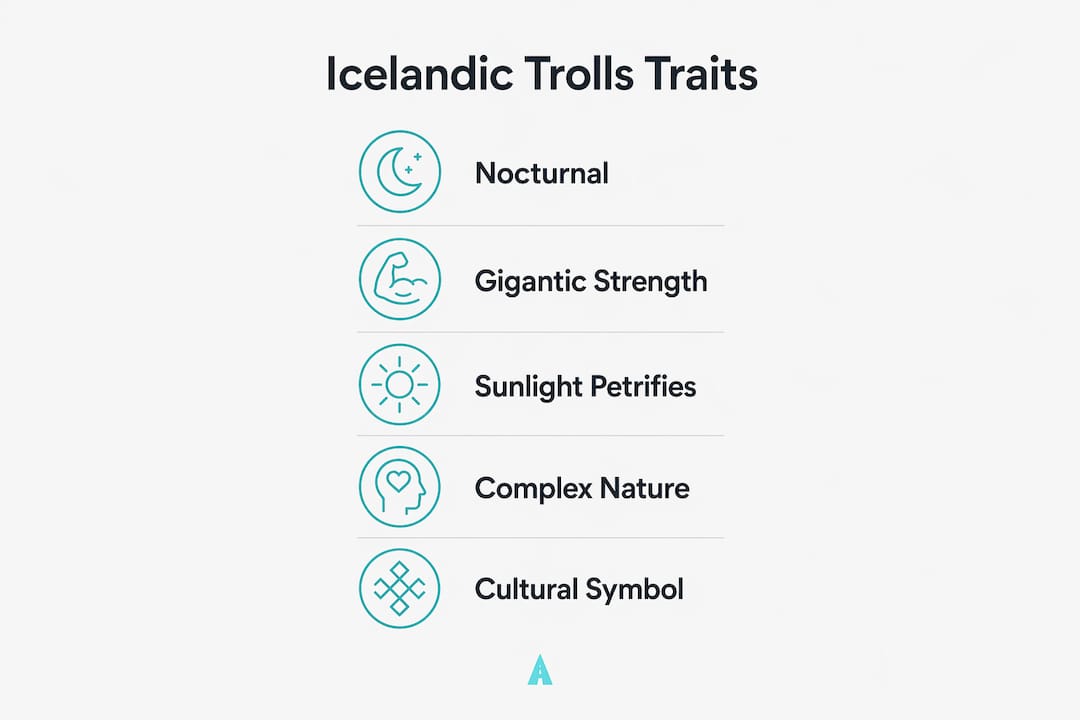
Icelandic trolls are large, nocturnal beings with immense physical strength and limited patience for humans. Folklore consistently describes them as territorial, slow-witted, and deeply tied to specific stretches of wilderness. They live in mountains, lava fields, and sea caves, emerging only after dark to roam, fish, or cause mischief.
Their most defining trait is petrification by sunlight. Trolls turn to stone the moment dawn catches them outdoors. This vulnerability is not a minor plot detail. It is the engine behind Iceland's most beloved landscape myths, turning every unusual basalt column or sea stack into a potential troll frozen mid-stride.
Physical descriptions vary across the old sagas and folk tales, but several traits appear consistently:
- Size: Trolls stand far taller than humans, sometimes described as large enough to wade across fjords.
- Strength: They can hurl boulders across valleys, which explains many scattered rock formations in the highlands.
- Nocturnal habits: Trolls operate exclusively at night, making darkness itself feel inhabited and watchful.
- Territorial nature: Each troll claims a specific landscape feature, a mountain pass, a sea cliff, or a river gorge.
One common misconception is that trolls are purely monstrous. Folklore shows them as complex beings, sometimes acting as guardians of specific lands, possessing secret knowledge, and even displaying unexpected honesty. They are not cartoon villains. They are forces of nature given a face.
Pro Tip: When you visit a dramatic rock formation in Iceland, ask a local guide about its troll story. Almost every unusual geological feature has one, and the stories add real depth to what you are seeing.
How do Icelandic trolls explain Iceland's geological formations?
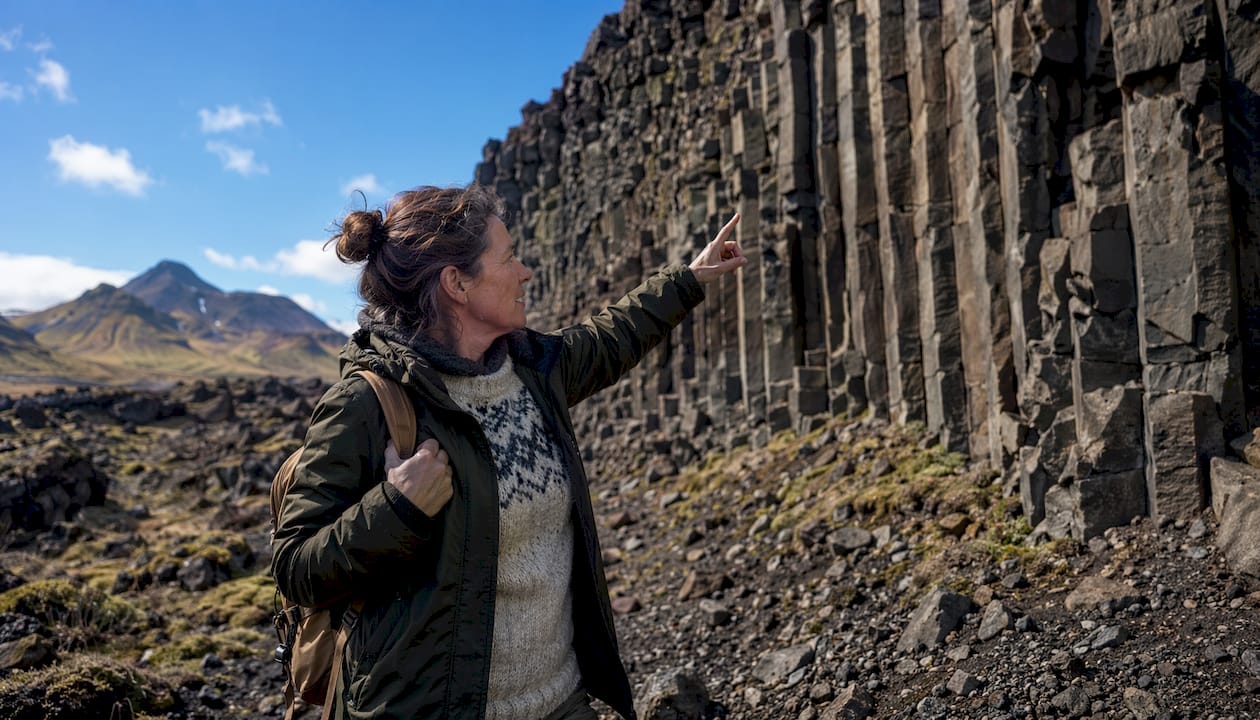
Iceland's volcanic geology produces some of the world's most striking rock formations. Basalt columns, sea stacks, and lone coastal boulders dot the country in ways that genuinely look deliberate. Troll legends gave early Icelanders a satisfying explanation for all of it.
The Reynisdrangar sea stacks, rising from the black sand beach near Vík, are the most famous example. Local legend holds that two trolls attempted to drag a three-masted ship to shore through the night. Dawn arrived before they could return to their cave, and sunlight turned them to stone where they stood. The stacks remain today, still visible from the beach.
Hvítserkur, a 15-meter basalt rock on the Vatnsnes peninsula, carries a similar story. Local legends connect the formation to a troll caught trying to destroy a nearby monastery, petrified at sunrise with its claws still in the rock. The Tröllaskagi peninsula, whose name translates directly to "Troll Peninsula," takes its identity entirely from these stories.
| Landmark | Location | Troll Legend |
|---|---|---|
| Reynisdrangar | Near Vík, South Iceland | Two trolls petrified while dragging a ship ashore |
| Hvítserkur | Vatnsnes peninsula, North Iceland | Troll frozen attacking a monastery at dawn |
| Tröllaskagi | North Iceland | Entire peninsula named for its troll associations |
| Tröllkonuhlaup | East Iceland | Waterfall said to mark where a troll woman fled |
Geological formations shaped by volcanic activity were mythologized as petrified trolls, making the physical landscape a storytelling canvas. This is not just poetic. It served a practical purpose, giving communities memorable markers for navigation and place names that stuck for centuries.
Pro Tip: The South Coast of Iceland concentrates the highest number of troll-linked landmarks. A private transfer from Reykjavík lets you stop at Reynisdrangar, Skógafoss, and other sites at your own pace rather than rushing through on a group bus.
What is the significance of trolls in Icelandic Christmas traditions?
Iceland's Christmas folklore is unlike anything else in the Nordic world, and trolls sit right at the center of it. The Yule Lads, thirteen mischievous characters descended from the troll mother Grýla, arrive one by one in the thirteen nights before Christmas. Each has a distinct personality and a specific prank associated with his name.
Grýla herself is the most fearsome figure in Icelandic Christmas folklore. She is a massive troll who descends from the mountains each december to collect naughty children. Her character predates Christianity in Iceland and was serious enough that a royal decree in 1746 banned parents from using her to frighten children. The ban tells you how effective the stories were.
The thirteen Yule Lads each carry names that describe their behavior:
- Stekkjastaur (Sheep-Cote Clod): harasses sheep in the barn
- Giljagaur (Gully Gawk): hides in gullies and steals milk
- Þvörusleikir (Spoon-Licker): steals and licks wooden spoons
- Kertasníkir (Candle-Stealer): follows children to steal their candles, leaving them in the dark
The Yule Lads embody a blend of mischief and morality that reflects Icelandic cultural values through festive folklore. Children who behave well receive gifts in their shoes. Children who misbehave receive a rotting potato. The system is simple, direct, and effective.
Modern Iceland has softened the Yule Lads considerably. They now appear in parades, visit shopping centers, and pose for photos with tourists. But the original stories carry real menace, and that tension between the charming modern version and the frightening original is itself a reflection of how living folklore adapts over time.
How do Icelandic trolls reflect Iceland's social and historical context?
Troll stories are not just entertainment. They are ethnographic records of the national character, preserving survival strategies, social norms, and community values from centuries of isolated island life. Early Icelanders faced volcanic eruptions, brutal winters, and vast uninhabited wilderness. Trolls gave those dangers a shape and a set of rules.
The stories consistently reward cleverness over strength. Humans in troll tales rarely overpower the creatures physically. They outwit them, delay them until dawn, or exploit their territorial fixations. This pattern reflects a genuine cultural value: brains beat brawn when you are small and the land is enormous.
Troll legends were historically shared during winter-evening gatherings called kvöldvaka, where communities sat together for warmth and storytelling. These stories were treated as real and socially relevant, not as fiction. Folklore expert Dagrún Ósk Jónsdóttir states that trolls and hidden beings functioned as cultural tools for early Icelanders to negotiate their harsh environment and communal survival.
"Troll stories illustrate a deep relationship between early Icelanders and their environment, symbolizing both natural danger and social cohesion. Stories shared during winter gatherings treated these beings as real and socially relevant, influencing community safety and worldview."
Dagrún Ósk Jónsdóttir, as cited in Ghosts, Trolls and the Hidden People
The arrival of Christianity in Iceland around 1000 AD added another layer. Troll stories began absorbing Christian symbolism, with trolls sometimes representing pagan forces being driven back by the new faith. The Hvítserkur legend, where a troll attacks a monastery, is a clear example. Old pagan figures and new religious narratives merged rather than replaced each other, which is exactly how living folklore works.
Troll legends served as practical survival stories discouraging children from dangerous behaviors around wilderness areas, and these tales remained integral in daily life well into the 20th century. That longevity is the clearest sign of how well the stories worked.
Key Takeaways
Icelandic trolls are not simply mythological monsters. They are cultural tools that shaped how generations of Icelanders understood their landscape, their values, and their community identity.
| Point | Details |
|---|---|
| Sunlight turns trolls to stone | This core trait explains Iceland's most dramatic rock formations, from Reynisdrangar to Hvítserkur. |
| Trolls are complex characters | Folklore portrays them as territorial and dangerous but also as guardians with secret knowledge, not pure villains. |
| Christmas trolls carry moral lessons | The Yule Lads and Grýla reward good behavior and punish bad behavior, reflecting Icelandic cultural values. |
| Legends served practical purposes | Troll stories kept children away from wilderness dangers and helped communities navigate the landscape safely. |
| Folklore remains alive today | Troll traditions continue to influence Icelandic art, tourism, and national identity in 2026. |
Why trolls are more than myths to me
By Sergiu
The first time I drove past Reynisdrangar, I already knew the troll story. What surprised me was how much the story changed the experience of actually standing there. Those sea stacks look genuinely alive in certain light, and knowing the legend made me look at them differently than I would have looked at a geological feature described only in scientific terms.
What strikes me most about Icelandic troll folklore is how practical it is. These are not stories built for pure entertainment. They encode real information about dangerous places, seasonal risks, and community expectations. The Viking settlers who shaped Iceland brought storytelling traditions that had to adapt fast to a completely new and often lethal environment. Trolls were part of that adaptation.
The modern softening of figures like the Yule Lads makes sense commercially, but I think travelers who only encounter the cheerful parade version miss something real. The original Grýla is genuinely frightening, and that fear was functional. It kept children safe and gave communities a shared vocabulary for danger. Troll traditions continue to evolve with modern Icelandic identity, but the older, sharper versions deserve attention too.
My honest advice: read a few of the original folk tales before you visit Iceland. You will see the landscape completely differently.
— Sergiu
Visiting Iceland's troll landmarks with Easytransfer
Iceland's most famous troll sites sit outside Reykjavík, scattered along the South Coast, the Vatnsnes peninsula, and the north. Getting to them on your own schedule makes a real difference in how much you absorb.

Easytransfer offers private transfers across Iceland that connect you directly to folklore landmarks like Reynisdrangar, Hvítserkur, and the Tröllaskagi region. Vehicles include Mercedes models and Tesla electric cars, with free WiFi onboard and fixed pricing so you know exactly what you are paying. Flight tracking and 24/7 support mean your transfer adjusts to your schedule, not the other way around. Groups of up to 49 passengers travel together in a single booking. Request a quote at easytransfer.is and a sales agent will respond within 24 hours.
FAQ
What are Icelandic trolls?
Icelandic trolls are large, nocturnal supernatural beings from Norse and Icelandic folklore. They are defined by their vulnerability to sunlight, which turns them instantly to stone.
Why do Icelandic trolls turn to stone in sunlight?
Petrification by sunlight is the core mythological rule governing trolls in Icelandic folklore. This trait explains many of Iceland's unusual rock formations, including the Reynisdrangar sea stacks near Vík.
Who are the Iceland Christmas trolls?
The Yule Lads are thirteen mischievous troll figures descended from the troll mother Grýla. They arrive one by one in the thirteen nights before Christmas, each associated with a specific prank or mischief.
Are there real places in Iceland named after trolls?
Yes. The Tröllaskagi peninsula in North Iceland translates directly to "Troll Peninsula." Many other place names across Iceland reference troll legends tied to specific geographical features.
How did troll legends function in Icelandic society?
Troll stories served as practical survival tools, discouraging dangerous behavior near wilderness areas and encoding community values around cleverness, cooperation, and respect for natural forces.