
TL;DR:
- The Icelandic horse is a genetically pure breed unique to Iceland, protected by laws and geographic isolation for over 1,100 years. It has five gait types, exceptional strength, and a calm, intelligent temperament that appeals to riders of all levels. Visitors can experience the breed's qualities through riding tours mostly in Skagafjörður or near Reykjavik.
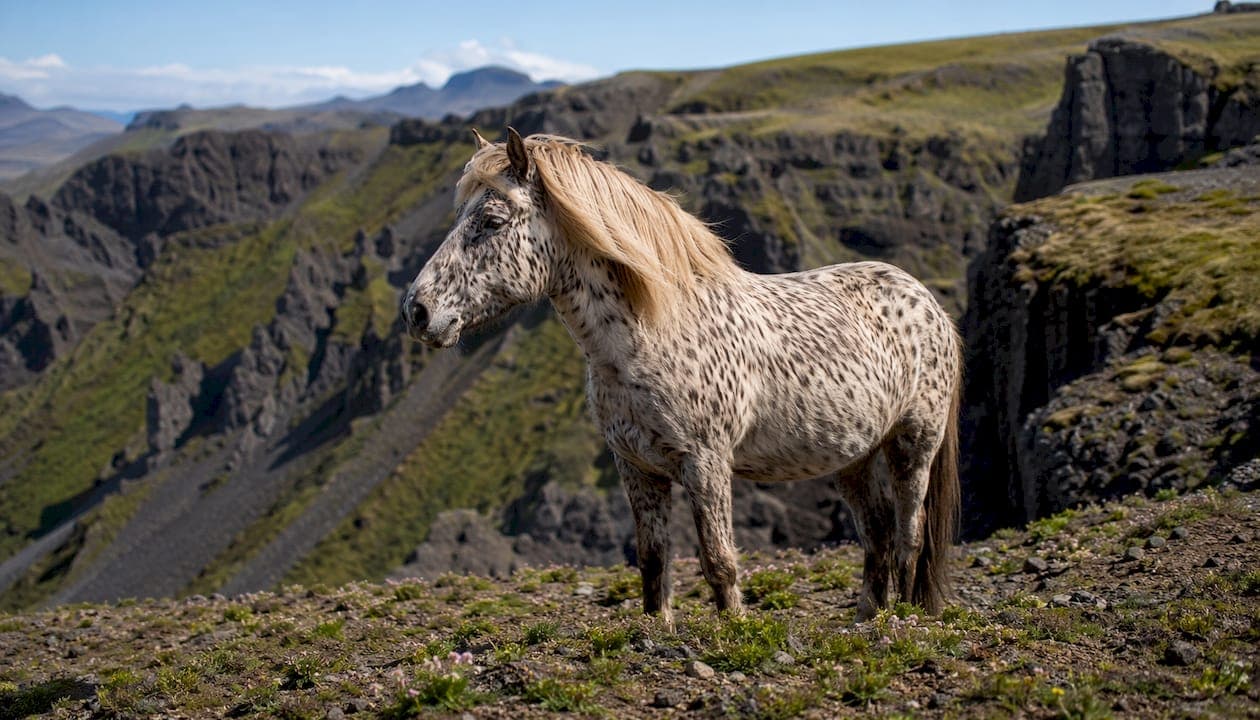
The Icelandic horse is defined as a pure, genetically isolated breed native to Iceland, brought to the island by Viking settlers between 860 and 935 AD. With roughly 80,000 horses living in Iceland and approximately 100,000 worldwide, this breed stands apart from every other horse on earth. It carries five distinct gaits, a bone density that defies its compact size, and a cultural significance that runs as deep as the island's volcanic rock. Whether you are an equestrian enthusiast, a traveler planning your first Iceland trip, or simply curious about one of the world's most unusual breeds, this guide covers everything you need to know.
What makes horses from Iceland unlike any other breed?
The Icelandic horse is small but classified as a horse, not a pony. Average height runs 13–14 hands, yet the breed carries large adults with ease due to exceptional bone density and muscular build. That distinction matters to equestrians because it affects how the horse is trained, evaluated, and ridden. You would not apply pony handling techniques to an Icelandic horse and expect good results.
The breed's temperament is equally notable. Icelandic horses are calm, curious, and highly intelligent. They bond closely with handlers and adapt well to riders of all experience levels. That combination of physical strength and cooperative character makes them popular in disciplines ranging from trail riding to western dressage and endurance competition, as highlighted by the United States Icelandic Horse Congress.
The five gaits explained
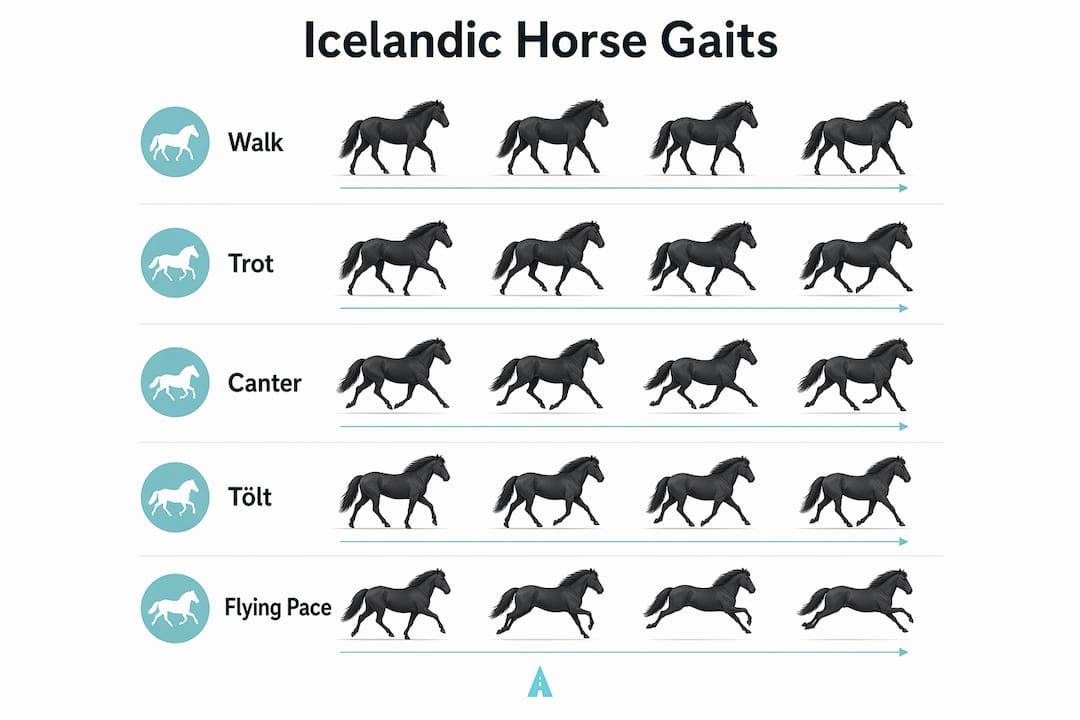
Most horse breeds perform three gaits: walk, trot, and canter. The Icelandic horse adds two more. The five gaits are the walk, trot, canter, tölt, and flying pace. The tölt is a smooth, four-beat lateral gait with no moment of suspension, meaning the rider experiences almost no bounce. The flying pace is a two-beat lateral gait used for short-distance racing, reaching speeds that rival a full gallop.
| Gait | Beat pattern | Rider experience | Primary use |
|---|---|---|---|
| Walk | 4-beat | Relaxed, low impact | Trail, warm-up |
| Trot | 2-beat diagonal | Moderate bounce | General riding |
| Canter | 3-beat | Rhythmic, flowing | Sport and trail |
| Tölt | 4-beat lateral | Very smooth, no bounce | Long-distance, beginners |
| Flying pace | 2-beat lateral | Fast, exhilarating | Short-distance racing |
The tölt is what most visitors remember. Riders can hold a glass of beer at full tölt speed without spilling, a demonstration you will actually see at Icelandic horse festivals. The flying pace, by contrast, is reserved for experienced riders and trained horses with natural aptitude for the gait.
Pro Tip: If you are a beginner rider, request a horse that tölts well. The absence of bounce makes the experience far more comfortable than a trotting horse, and you will build confidence much faster on an Icelandic trail.
What is the history behind the Icelandic horse breed?
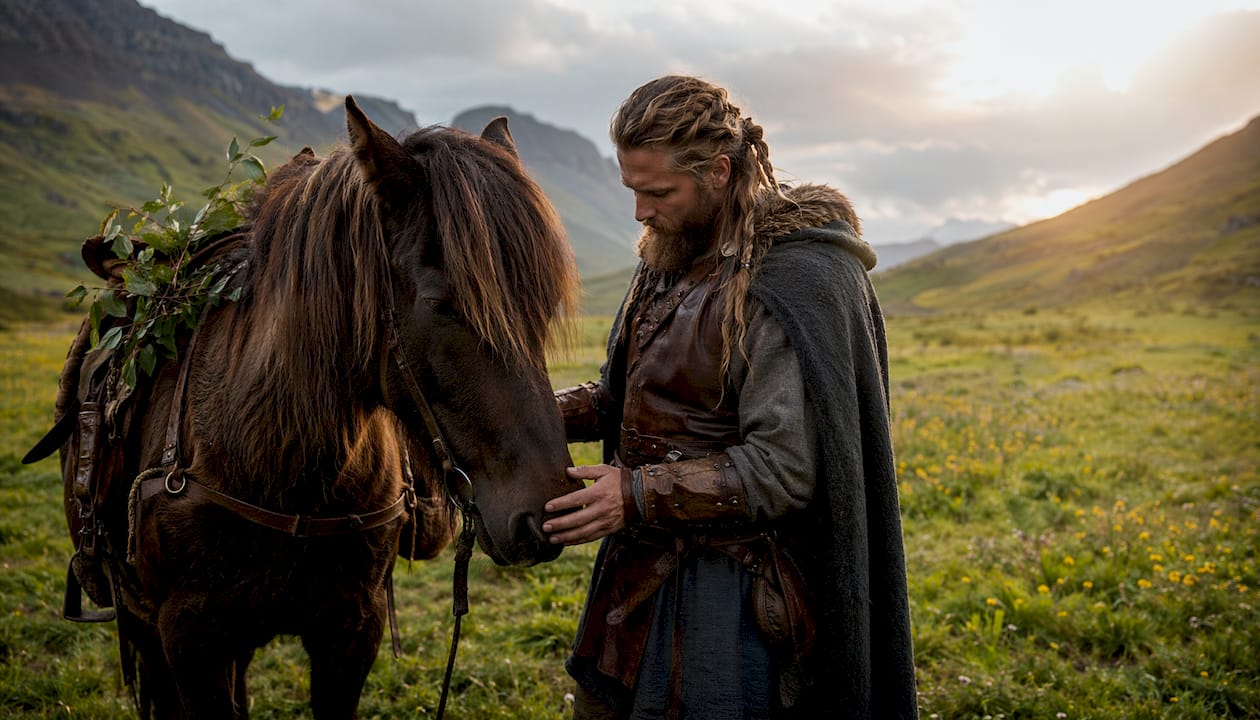
Viking settlers brought horses to Iceland between 860 and 935 AD, selecting animals suited to harsh North Atlantic conditions. These horses came primarily from Norway, the British Isles, and parts of continental Europe. Once the settlement period ended, the island's geographic isolation did the rest. Ship traffic declined, and no new horses arrived for centuries.
A common myth holds that Iceland banned horse imports shortly after settlement. The actual record tells a different story. The formal import ban was enacted in 1882, not in the Viking Age. The breed remained pure for nearly a thousand years primarily because of Iceland's remote location and the practical absence of horse trade, not because of early legislation. That distinction matters for understanding just how powerful geographic isolation can be as a preservation tool.
Biosecurity and the one-way rule
Once a horse leaves Iceland, it cannot return. Strict biosecurity laws enforce this permanently, protecting the breed from foreign diseases to which it has no immunity. Iceland's horses have lived in isolation long enough that exposure to common equine illnesses found elsewhere could be devastating. This rule applies without exception, even to horses exported for competition or breeding abroad.
| Milestone | Year | Significance |
|---|---|---|
| Viking settlement begins | 860 AD | First horses arrive in Iceland |
| Settlement period ends | ~935 AD | Geographic isolation begins naturally |
| Formal import ban enacted | 1882 | Legal protection added to natural isolation |
| Biosecurity export rule | Ongoing | Exported horses cannot return to Iceland |
This history produces a breed with no genetic dilution across more than 1,100 years. No other horse breed in the world can make that claim with the same level of documentation and legal reinforcement.
Pro Tip: If you plan to ride Icelandic horses abroad before visiting Iceland, know that your riding experience will transfer well. The breed is consistent worldwide precisely because of this isolation.
How are Icelandic horses evaluated in breeding programs?
Breeding evaluations for the Icelandic horse follow a rigorous international standard. Professional assessments rate horses against 41 characteristics on a 13-point scale. That level of detail goes far beyond what most breed registries require, and it produces a reliable, comparable record for every evaluated horse.
The evaluation covers three broad categories: conformation, temperament, and gait quality. Conformation judges the horse's physical structure, including head shape, neck length, back strength, and leg alignment. Temperament scores reflect how the horse responds to handlers, new environments, and pressure. Gait scores assess each of the five gaits separately, rating rhythm, suppleness, and energy.
Two organizations set and maintain these standards internationally. FEIF, the International Federation of Icelandic Horse Associations, defines the breed ideal as versatile, balanced, and elegant, with charm coming from correct flexion and consistent gait quality. The United States Icelandic Horse Congress (USIHC) applies these standards for North American breeders and buyers.
Key traits judged at breeding events include:
- Tölt quality: Rhythm, footfall regularity, and energy level
- Flying pace aptitude: Natural ability and speed over a short track
- Conformation: Bone density, back length, and overall balance
- Temperament: Willingness, calmness, and handler responsiveness
- Rideability: How comfortable and responsive the horse feels under saddle
Buyers use these scores to match horses to specific disciplines. A horse with high tölt scores suits long-distance trail riding. A horse with strong flying pace scores attracts competitive racing enthusiasts. The 13-point scale gives buyers a consistent language across countries and breeders.
Where can you experience Icelandic horses in Iceland?
Iceland's horse population is spread across the country, but certain regions concentrate the experience. Skagafjörður, in northern Iceland, is the heartland of Icelandic horse breeding. The valley holds more horses per square kilometer than almost anywhere else in the country and hosts major annual horse competitions. Riders who want to see breeding-quality horses at their finest should prioritize this region.
Areas near Reykjavik also offer strong options for visitors with limited time. Several riding farms operate within 30–60 minutes of the capital, offering everything from one-hour introductory rides to full-day excursions into the lava fields and coastal trails. For travelers building a broader Iceland itinerary, luxury Iceland vacation packages often include Icelandic horse excursions as a featured activity.
Riding options by experience level include:
- Beginner rides (1–2 hours): Guided tours on calm, well-trained tölting horses near Reykjavik and the Golden Circle
- Half-day rides (3–4 hours): Lava field and coastal trail rides with mixed terrain
- Full-day rides: Extended countryside routes with lunch stops at working farms
- Multi-day treks: Overnight expeditions through the highlands, following traditional sheep-herding routes
Seasonal timing shapes your options significantly. june through august offers the longest daylight hours and the most tour availability. Spring and fall rides give you smaller groups and dramatic light, though some highland routes close due to weather. Winter riding exists but requires warm gear and flexible expectations.
Pro Tip: Book riding tours at least two weeks in advance during summer. The most reputable farms near Reykjavik and Skagafjörður fill up fast, especially for multi-day treks. If you want a specific gait experience like the flying pace, confirm with the farm that they offer it before booking.
The Icelandic Horse History Centre in Skagafjörður provides cultural context alongside the riding experience. Exhibits cover the breed's Viking origins, the biosecurity laws, and the role horses played in Icelandic farming and transport for centuries. Getting to remote farms and cultural centers is straightforward with custom pickup options that take you directly from Reykjavik to your chosen destination.
Key Takeaways
The Icelandic horse is the world's most genetically isolated horse breed, defined by five distinct gaits, exceptional strength relative to its size, and over 1,100 years of pure bloodline protected first by geography and then by law.
| Point | Details |
|---|---|
| Genetic isolation | The breed has remained pure since 860 AD due to geography and, since 1882, formal import law. |
| Five gaits | Walk, trot, canter, tölt, and flying pace set this breed apart from all other horse breeds. |
| Breeding evaluation | Horses are scored on 41 characteristics using a 13-point scale set by FEIF and USIHC standards. |
| Best region to visit | Skagafjörður holds the highest concentration of breeding-quality horses and major competitions. |
| Biosecurity rule | Horses exported from Iceland cannot return, protecting the breed from foreign disease permanently. |
Why the Icelandic horse stays with you long after you leave
Sergiu here. I have ridden horses on three continents, and nothing prepared me for the tölt. You sit down, the horse moves forward, and the ground disappears beneath you without a single jolt. It is not dramatic. It is just completely smooth. That smoothness is what converts skeptics. People who have never enjoyed riding before get on a tölting Icelandic horse and immediately understand why this breed has a global following.
What strikes me most, though, is not the gait. It is the horse's attention. Icelandic horses watch you. They read your body language with a focus that feels almost deliberate. Handlers at the farms near Reykjavik will tell you the same thing: these horses are not passive. They are engaged. That engagement makes every ride feel like a conversation rather than a transaction.
The breed also carries something harder to quantify. In Iceland, horses are not just livestock or sport animals. They appear in the sagas, in place names, and in family histories. Farmers in Skagafjörður can trace their horses' lineages back generations with the same pride they apply to their own family trees. When you ride an Icelandic horse, you are participating in something that has been continuous for over a thousand years. That context changes the experience entirely.
My practical advice: do not treat the horse encounter as a checkbox on your Iceland itinerary. Give it half a day at minimum. Talk to the farm staff. Ask about the specific horse you are riding. The more you engage, the more the horse engages back.
— Sergiu
Getting to Iceland's horse farms with Easytransfer
Planning a riding tour is the exciting part. Getting there reliably is what makes or breaks the day.
Easytransfer provides private transfers across Iceland, including direct routes from Keflavík Airport and Reykjavik to riding farms, cultural centers, and countryside destinations. Vehicles include Mercedes models and Tesla electric cars, with fixed pricing and no hidden fees. Flight tracking means your driver adjusts automatically if your arrival is delayed. For travelers combining a horse farm visit with stops at the Blue Lagoon or Sky Lagoon, Easytransfer handles multi-stop itineraries with the same door-to-door reliability. Book your private Iceland transfer in advance to lock in your schedule, and check airport transfer options to find the right vehicle size for your group.
FAQ
What are the five gaits of the Icelandic horse?
The five gaits are walk, trot, canter, tölt, and flying pace. The tölt is a smooth four-beat lateral gait, and the flying pace is a fast two-beat lateral gait used in short-distance racing.
Are Icelandic horses considered ponies?
No. Despite standing 13–14 hands on average, Icelandic horses are classified as horses due to their bone density and capacity to carry adult riders. The distinction is recognized internationally by FEIF and USIHC.
When was the import ban on horses to Iceland enacted?
The formal legal ban on importing horses to Iceland was enacted in 1882. Prior to that date, the breed remained pure due to geographic isolation and minimal ship traffic, not early legislation.
Can an Icelandic horse return to Iceland after being exported?
No. Biosecurity laws permanently bar any horse that has left Iceland from returning. This rule protects the breed from foreign diseases to which it has no natural immunity.
Where is the best place in Iceland to see Icelandic horses?
Skagafjörður in northern Iceland holds the highest concentration of breeding-quality horses and hosts major annual competitions. Farms near Reykjavik offer accessible rides for visitors with limited time, and curated Iceland travel packages often include horse excursions as a featured stop.