
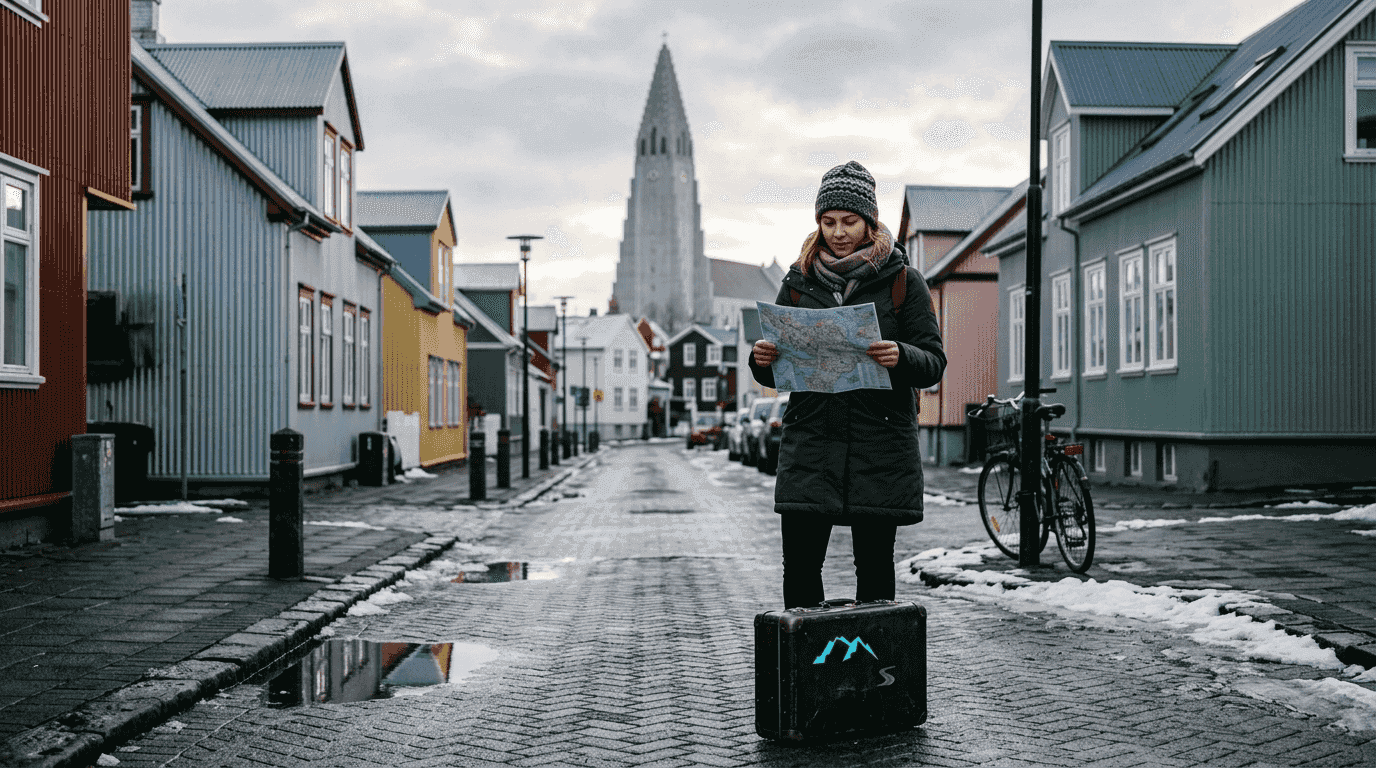
Planning a trip to Iceland in 2026 means navigating unpredictable weather, ongoing volcanic activity near the Reykjanes peninsula, and complex travel logistics that can overwhelm even experienced travelers. Recent road closures from avalanches and storms have made flexibility crucial for any itinerary. This guide delivers essential tips covering visa requirements, transportation choices, weather preparation, budgeting strategies, and safety practices to help international visitors enjoy a memorable, hassle-free Iceland adventure without common pitfalls that derail trips.
Table of Contents
- Visa and entry requirements for Iceland 2026
- Transportation options and road safety in Iceland
- Dealing with Iceland's unpredictable weather
- Budgeting and traveler tips for a smooth Iceland visit
- Make your Iceland travel hassle-free with private transfers
Key takeaways
| Point | Details |
|---|---|
| Visa requirements | Most travelers enjoy 90 days visa-free under Schengen rules with valid passport and documentation. |
| Transportation choices | Renting a 4x4 offers flexibility but requires caution on F-roads; private transfers and tours provide safer alternatives. |
| Weather preparation | Layer clothing year-round and download Vedur.is and Road.is apps for daily condition updates. |
| Budget planning | Expect $3000-4800 per person for 7-10 days; save money by grocery shopping and using duty-free alcohol. |
| Safety practices | Respect nature, stay on marked paths, and never ignore weather warnings or road closures. |
Visa and entry requirements for Iceland 2026
Understanding Iceland's Schengen visa rules prevents arrival complications and ensures smooth immigration processing. Most nationalities from the US, Canada, Australia, and many other countries can stay up to 90 days visa-free. Your passport must remain valid for at least three months beyond your planned departure date from Iceland.
Immigration officers typically request proof of sufficient funds, return tickets, and accommodation confirmations during entry processing. Carry both physical copies and digital backups of all documentation on your phone or tablet. Some travelers mistakenly assume visa-free entry means no documentation requirements, leading to delays or denied boarding.
Double-check your specific nationality's requirements well before booking flights, as rules vary significantly. Citizens from certain countries need to apply for Schengen visas weeks or months in advance through Icelandic embassies or consulates. Processing times can extend during peak travel seasons, so start early.
Bring travel insurance documentation that covers medical emergencies and trip cancellations. Iceland's healthcare system charges non-residents for services, and evacuation from remote areas costs thousands of dollars. Having proper insurance and entry documents creates peace of mind and prevents expensive complications.
For comprehensive preparation beyond visa basics, review our Iceland travel tips for first-time visitors to understand what experienced travelers wish they knew before arriving.
Transportation options and road safety in Iceland
Choosing the right transportation method dramatically impacts your flexibility, safety, and overall experience exploring Iceland's diverse landscapes. Renting a 4x4 vehicle provides maximum freedom to access remote areas and adjust your schedule spontaneously. However, driving Iceland's gravel roads and F-roads requires experience and caution, as many rental agreements void insurance coverage for off-road damage.
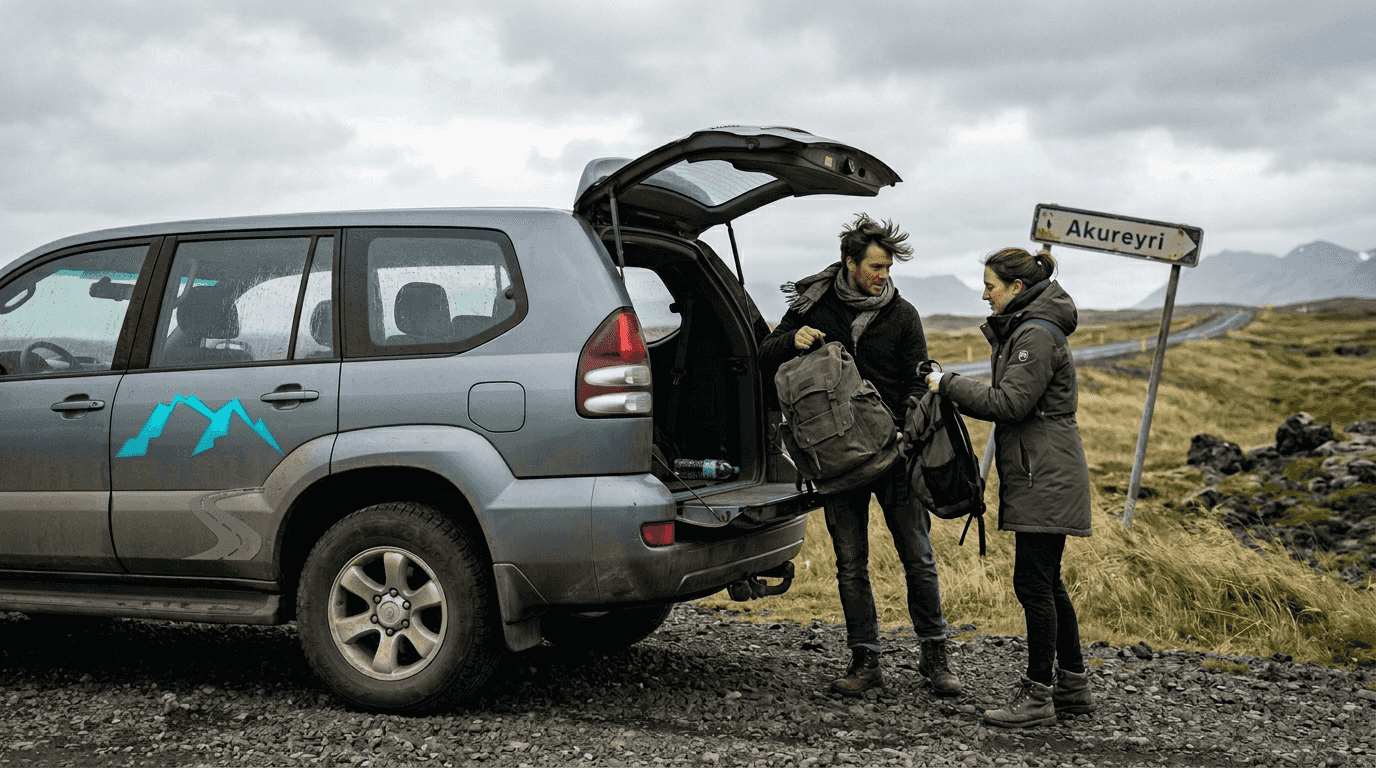
Public transport operates primarily through Strætó buses serving Reykjavik and limited summer routes along the Ring Road. Flybus shuttles connect Keflavík Airport to Reykjavik efficiently but lack flexibility for exploring beyond the capital. Public transit works for budget travelers staying in urban areas but limits access to Iceland's most spectacular natural sites.
Guided tours offer safe alternatives, especially during winter months when icy roads and short daylight create hazardous driving conditions. Tour operators handle navigation, provide expert commentary, and include insurance coverage that protects you from liability. The trade-off involves fixed schedules and sharing experiences with groups.
Consider this transportation comparison:
| Method | Daily Cost | Safety Level | Flexibility | Best For |
|---|---|---|---|---|
| 4x4 Rental | $80-150 | Medium (weather dependent) | High | Experienced drivers, groups |
| Public Transit | $15-30 | High | Low | Budget travelers, city stays |
| Guided Tours | $100-200 | High | Medium | Winter visitors, new drivers |
| Private Transfers | $120-180 | Very High | High | Comfort seekers, families |
Pro Tip: Check road.is and vedur.is every morning before driving to avoid closures from volcanic activity, storms, or ice. Add 30-50% extra travel time to account for rough roads and unexpected weather delays that regularly impact schedules.
Our premium airport shuttles and group travel transfers provide stress-free alternatives when you want comfort without driving responsibilities.
Dealing with Iceland's unpredictable weather
Iceland's weather reputation for rapid changes and harsh conditions demands serious preparation regardless of your travel dates. Wind, rain, and snow occur frequently even during summer months, catching unprepared tourists off guard. March 2026 witnessed multiple road closures from avalanches, ice storms, and volcanic activity near the Reykjanes peninsula, disrupting thousands of travel plans.
Layering clothing provides the most effective strategy for staying comfortable across Iceland's microclimates. Start with thermal base layers that wick moisture away from your skin. Add insulating mid-layers like fleece or down jackets. Top everything with waterproof, windproof outerwear that seals out Iceland's relentless wind and rain. Pack hats and gloves year-round, as temperatures drop quickly at higher elevations and coastal areas.
Umbrellas prove useless in Iceland's strong winds, which regularly exceed 40 mph and turn umbrellas inside out within seconds. Invest in a quality rain jacket with a hood instead. Waterproof hiking boots with good traction prevent slips on wet rocks and icy paths around waterfalls and geothermal areas.
Download essential apps before arriving:
- Vedur.is provides hourly weather forecasts and severe weather warnings
- Road.is shows real-time road conditions and closures
- 112 Iceland app shares your GPS location with emergency services
- SafeTravel.is offers safety information and travel plans
Pro Tip: Bring a reusable water bottle and fill it from any tap, as Iceland's water ranks among the world's purest and tastes incredible straight from glacial sources.
Plan flexible itineraries that accommodate sudden weather disruptions. Book refundable accommodations when possible and avoid packing your schedule too tightly. Weather-related cancellations happen frequently, and having buffer days prevents disappointment when storms close roads or cancel tours.
For travelers seeking maximum comfort regardless of conditions, our luxury travel tips explain how premium services eliminate weather-related stress.
Budgeting and traveler tips for a smooth Iceland visit
Iceland ranks among Europe's most expensive destinations, with typical 7-10 day trips costing $3000-4800 per person including flights. Strategic planning and smart choices significantly reduce expenses without sacrificing experience quality.
Top 5 budgeting strategies:
- Shop at Bonus or Kronan supermarkets for groceries instead of eating every meal at restaurants, saving $30-50 daily
- Buy alcohol at Keflavík Airport duty-free before clearing customs, as Iceland taxes alcohol heavily
- Book accommodations 3-6 months ahead for better rates and availability, especially during peak summer months
- Split 4x4 rental costs among 3-4 travelers to reduce per-person transportation expenses dramatically
- Reserve popular activities and tours online in advance for discounts compared to last-minute bookings
Safety practices every traveler must follow:
- Never ignore weather warnings or road closure signs, even if conditions seem manageable
- Stay away from cliff edges and waterfall viewing areas without railings, as Iceland lacks safety barriers at many natural sites
- Respect marked paths and stay off fragile moss, which takes decades to recover from footprints
- Keep safe distances from geothermal features, as boiling water and unstable ground cause serious injuries
- Inform someone of your travel plans when exploring remote areas
Typical Iceland expense breakdown:
| Category | Budget Option | Mid-Range | Luxury |
|---|---|---|---|
| Accommodation (per night) | $60-90 | $120-180 | $250-400 |
| Meals (per day) | $30-50 | $60-90 | $120-180 |
| Car Rental (per day) | $50-80 | $80-120 | $150-250 |
| Activities (per person) | $40-80 | $100-150 | $200-350 |
Travel insurance covering 4x4 off-road driving costs extra but proves essential if you plan to explore F-roads or highland areas. Standard rental insurance excludes damage from river crossings, gravel roads, and volcanic ash, leaving you liable for thousands in repair costs.
Icelanders expect visitors to respect their environment and cultural norms. Reduce litter by packing out all trash, use designated bathroom facilities instead of nature, and avoid disturbing wildlife or nesting birds. Following Leave No Trace principles preserves Iceland's pristine landscapes for future generations.
Our door-to-door airport transfer guide explains how pre-arranged transportation eliminates arrival stress and helps you start your trip smoothly.
Make your Iceland travel hassle-free with private transfers
After mastering these essential travel tips, consider how private transfers eliminate transportation stress and enhance your Iceland experience from the moment you land. Navigating unfamiliar roads after long flights while dealing with jet lag and unpredictable weather creates unnecessary anxiety that private transfers completely remove.
EasyTransfer.is specializes in comfortable, direct transportation between Keflavík Airport, Reykjavik, Blue Lagoon, and Sky Lagoon with premium vehicles including Mercedes models and electric Teslas. Flight tracking ensures your driver adjusts pickup times automatically for delays, while fixed pricing eliminates surprise charges. Pre-booking private transfers in Iceland provides peace of mind, especially valuable given Iceland's variable weather and frequent road disruptions.
Whether you need a Blue Lagoon private transfer for a relaxing arrival experience or a reliable Keflavík Airport to Reykjavík transfer for your group, professional drivers familiar with current conditions ensure safe, punctual service. The 24-hour cancellation policy for full refunds adds flexibility to match the adaptable itineraries this guide recommends.
Frequently asked questions
What is the best time to visit Iceland in 2026?
Summer (June through August) offers midnight sun and fully open highland roads but brings crowded attractions and premium prices. Shoulder seasons in May and September balance pleasant weather with fewer tourists and lower costs. Winter provides Northern Lights viewing and access to ice caves but challenges travelers with short daylight hours and icy roads requiring experienced driving.
Do I need a visa to travel to Iceland in 2026?
Many nationalities including US, Canadian, and Australian citizens can enter Iceland visa-free for up to 90 days under Schengen rules with valid passports. Your passport must remain valid three months beyond your departure date, and you should carry proof of funds, return tickets, and accommodation confirmations. Check your specific country's requirements well ahead of travel, as some nationalities need advance Schengen visa applications.
Is it safe to drive yourself around Iceland?
Self-driving remains popular but requires experience, especially on gravel roads and F-roads which void insurance for 2WD vehicles. Check road.is and vedur.is daily for current conditions to avoid closures from storms, ice, or volcanic activity. Winter driving demands particular caution with black ice and limited daylight, making guided tours or private transfers safer alternatives for inexperienced drivers.
What should I pack for Iceland's weather in 2026?
Bring layered clothing including thermal base layers, insulating mid-layers, and waterproof outerwear plus hat and gloves year-round. Wind makes umbrellas impractical, so invest in quality rain jackets with hoods. Download Vedur.is for weather forecasts and Road.is for road conditions to stay informed about rapid changes. Pack waterproof hiking boots with good traction for exploring around waterfalls and geothermal areas safely.
How much does a typical Iceland trip cost in 2026?
Expect to spend $3000-4800 per person for a 7-10 day trip including flights, with daily costs varying by travel style. Budget travelers spending $150-250 daily can enjoy Iceland by grocery shopping, staying in hostels, and limiting expensive activities. Mid-range travelers spending $300-450 daily afford comfortable hotels, regular restaurant meals, and popular tours. Luxury travelers spending $600+ daily access premium accommodations, fine dining, and exclusive experiences.