
TL;DR:
- Visiting the Blue Lagoon Iceland is a stunning experience, but it is not the best place to see the Northern Lights. The lagoon's early closing time and facility lighting limit Aurora viewing chances, so it should be treated as a warm-up spot. Planning separate, flexible Northern Lights tours to dark locations increases the likelihood of a successful sighting.
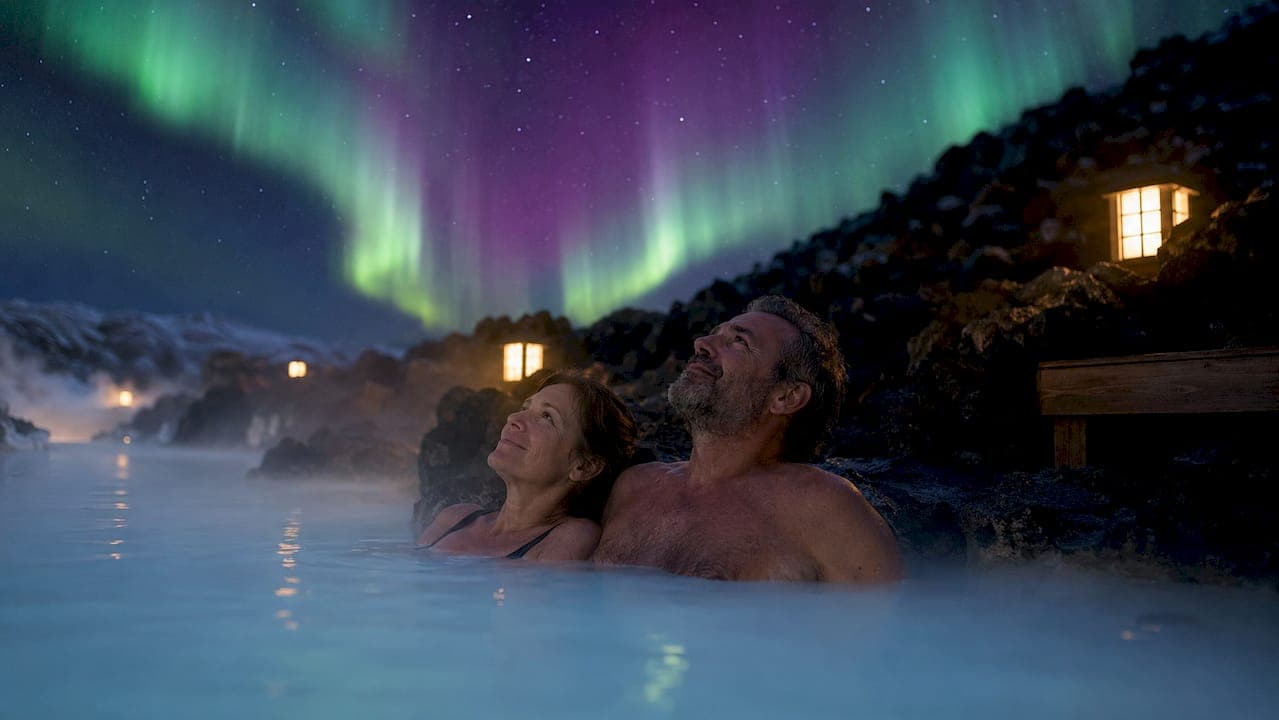
Combining the Blue Lagoon Iceland northern lights experience is the most dramatic way to spend a winter evening in Iceland. The Blue Lagoon's geothermal waters stay between 37°C and 40°C year-round, while the air outside can drop well below 0°C from september through april. The aurora borealis, the scientific term for the Northern Lights, peaks between 9 PM and 2 AM from september through march. That overlap of warm water, cold air, and dark skies creates one of the most memorable settings in all of Iceland holidays northern lights planning. This guide gives you the exact tips, timing, and tour options to make it happen.
1. Why the Blue Lagoon is a unique but tricky spot for aurora viewing
The Blue Lagoon sits on the Reykjanes Peninsula, far enough from Reykjavik to reduce urban light pollution. That geographic advantage makes it a genuinely appealing spot for aurora borealis sightings. However, the Blue Lagoon is still a developed commercial facility with infrastructure lighting that dims the sky compared to truly rural locations.
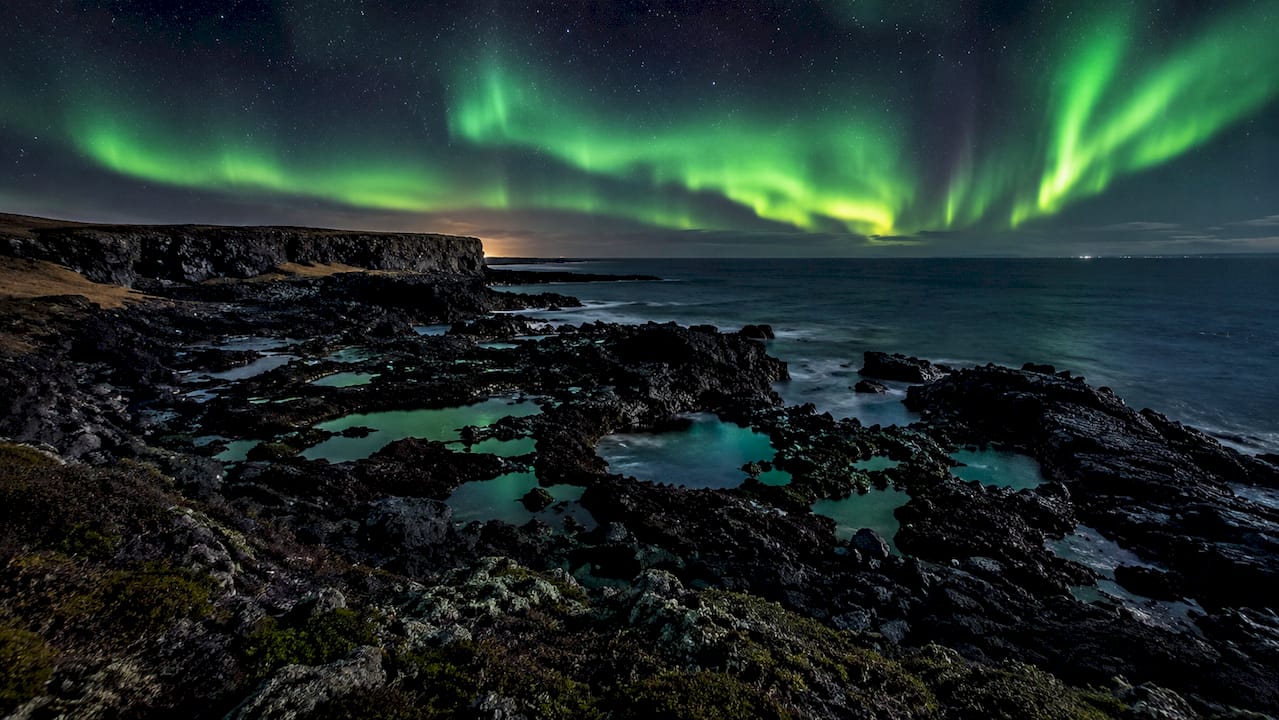
The bigger practical issue is timing. Blue Lagoon's operating hours typically end around 10 PM, which cuts directly into the prime aurora viewing window of 9 PM to 2 AM. You get a narrow one-hour overlap at best. That means the Blue Lagoon works best as a scenic bonus for aurora spotting, not as your primary hunting ground.
Booking also limits your flexibility. The Blue Lagoon requires advance reservations, and you cannot easily reschedule based on that night's cloud cover or solar activity. Aurora viewing rewards spontaneity. Fixed spa bookings work against that.
What works in your favor at the Blue Lagoon:
- Reduced light pollution compared to central Reykjavik
- Warm water keeps you comfortable during cold winter nights
- The contrast of steam rising from the lagoon against a lit sky is visually stunning
- The Reykjanes Peninsula location puts you closer to darker rural areas
What works against you:
- Facility lighting reduces sky darkness
- Early closing time cuts off peak aurora hours
- No ability to chase better conditions once you are booked in
Pro Tip: Book the latest available entry slot at the Blue Lagoon, typically around 8 PM or 9 PM, to maximize your overlap with the aurora window before closing.
2. Best timing for seeing the Northern Lights near the Blue Lagoon
September through march is the confirmed aurora viewing season in Iceland. The longer nights give you more dark hours, and solar activity during this period tends to be stronger. Within that window, the months of october through february offer the longest periods of darkness each night.
February is a particularly strong choice for Iceland in february northern lights trips. Nights run long, temperatures are cold enough to produce clear skies, and tourist crowds are lighter than in december or january. April is the tail end of the season. Iceland april northern lights sightings are still possible but less reliable as nights shorten quickly after the spring equinox.
The 9 PM to 2 AM window is your target each night. Aurora activity follows geomagnetic cycles, and the hours around local midnight consistently produce the strongest displays. Plan your Blue Lagoon visit to end by 10 PM, then position yourself at a darker location for the rest of the night.
3. Top 5 expert tips for maximizing your Northern Lights success
1. Check the aurora forecast daily. The Icelandic Meteorological Office publishes real-time aurora forecasts and cloud cover maps. A KP index of 3 or higher combined with clear skies is your green light to head out.
2. Stay mobile. Local guides recommend driving 1 to 1.5 hours from your base to find optimal conditions. Cloud cover can be heavy in one area and clear just 60 kilometers away. A car or a guided tour with a driver gives you that flexibility.
3. Dress for serious cold. Temperatures during peak viewing nights can reach -15°C or lower. Thermal base layers, a down jacket, moisture-wicking socks, and waterproof boots are not optional. Cold feet and hands will end your night far earlier than any cloud cover. Check the Iceland winter packing guide for a full gear checklist.
4. Plan your Blue Lagoon visit early in the evening. Arrive at the lagoon around 6 PM or 7 PM, soak and relax, then leave by 9 PM or 10 PM. Use the rest of the night for dedicated aurora hunting at a darker location.
5. Book tours with a retry policy. Tour operators with retry policies give you a second or third attempt if weather ruins your first night. This single feature dramatically improves your odds of seeing the aurora borealis on any given trip.
Pro Tip: Download the "Aurora Forecast" app before you land in Iceland. It combines real-time KP index data with cloud cover maps so you can make fast decisions about where to go each night.
4. Comparing Northern Lights tour options that include the Blue Lagoon
Tour packages for iceland northern lights holidays vary widely in structure, price, and flexibility. Understanding the differences helps you pick the right format for your travel style.
Advance booking is essential for any tour that combines Blue Lagoon access with aurora viewing. Popular packages sell out weeks or months ahead, especially in december and january.
| Feature | Half-day combo tours | Multi-day packages | Private guided tours |
|---|---|---|---|
| Duration | 4–6 hours | 3–7 nights | Flexible, per request |
| Flexibility | Low | Medium | High |
| Comfort level | Standard group transport | Varies by package | Premium vehicles |
| Aurora retry policy | Rarely included | Often included | Usually included |
| Cost range | Budget to mid-range | Mid-range to premium | Premium |
| Best for | First-time visitors | Dedicated aurora hunters | Families and small groups |
Key things to look for in any tour:
- Expert guides who monitor real-time aurora forecasts
- Transportation to dark-sky locations away from commercial lighting
- Clear cancellation or rebooking terms if weather is unfavorable
- Pickup and drop-off from your Reykjavik hotel or Keflavik Airport
Locations further from commercial areas consistently deliver darker skies and stronger aurora sightings. The best tours drive you to those spots rather than keeping you stationary near the Blue Lagoon.
5. What else to pair with your Blue Lagoon and Northern Lights trip
Iceland adventure holidays work best when you layer multiple experiences across your stay. The Reykjanes Peninsula alone offers enough to fill two full days beyond the Blue Lagoon.
On the Reykjanes Peninsula:
- Walk through active lava fields formed by recent volcanic eruptions
- Visit the Bridge Between Continents, where the Eurasian and North American tectonic plates meet
- Explore geothermal hot springs and mud pools at Gunnuhver
For dedicated aurora hunters:
- The Snæfellsnes Peninsula offers dark skies and dramatic volcanic scenery
- The Westfjords region is one of the least light-polluted areas in Iceland
- The south coast near Vík provides wide open skies with minimal obstructions
Winter adventure options:
- Glacier hiking on Sólheimajökull or Skaftafell
- Ice cave tours inside Vatnajökull, the largest glacier in Europe
- Snowshoeing and cross-country skiing in the highlands
Wellness alternatives near the Blue Lagoon:
- Retreat hotels on the Reykjanes Peninsula offer private geothermal pools
- The Sky Lagoon in Reykjavik provides a similar geothermal experience with city views
A practical three-night itinerary: arrive and transfer directly to the Blue Lagoon on day one, spend day two on a guided Northern Lights tour with a retry option, and use day three for a glacier hike or lava field walk before departure.
Key takeaways
Combining the Blue Lagoon with a dedicated aurora tour gives you the best of both worlds: geothermal relaxation and genuine Northern Lights success, provided you plan your timing and location carefully.
| Point | Details |
|---|---|
| Blue Lagoon as a bonus, not a base | Treat aurora sightings at the lagoon as a bonus; plan a separate dark-sky viewing session. |
| Timing is everything | Book the latest Blue Lagoon slot and target aurora viewing from 9 PM to 2 AM. |
| Mobility improves your odds | Tours that drive to dark rural locations consistently outperform fixed-location viewing. |
| Dress for -15°C | Thermal layers, down jackets, and waterproof boots are required, not optional. |
| Book early with retry policies | Advance booking and a tour retry option are the two most important logistical decisions. |
My honest take on chasing the Northern Lights at the Blue Lagoon
I have spoken with enough travelers returning from Iceland to know the pattern. They book the Blue Lagoon, they hope the aurora shows up overhead, and about half of them are disappointed. Not because Iceland failed them, but because they set the wrong expectation.
The Blue Lagoon is genuinely magical at night. Steam rises off the water, the sky is dark enough to see stars, and if the aurora does appear, the visual contrast with the milky blue water is extraordinary. But the facility closes before the aurora peaks, and the commercial lighting around the complex softens what you see. You are not standing in a dark field in the Westfjords. You are in a well-run tourist facility.
My advice is to stop treating the Blue Lagoon as your aurora plan. Treat it as your evening warm-up. Go early, soak for two hours, have dinner, and leave by 9 PM. Then get in a vehicle and head somewhere dark. That structure gives you the relaxation of the lagoon and a real shot at the aurora borealis.
Booking flexibility is the single most underrated factor in aurora success. Fixed itineraries are the enemy of Northern Lights viewing. Build in at least two dedicated aurora nights with a guide who can chase conditions. One night is rarely enough.
— Sergiu
Getting to the Blue Lagoon and your aurora tours without the stress
Planning iceland northern lights holidays means coordinating airport arrivals, spa bookings, and late-night tour pickups across multiple days. Logistics can unravel fast, especially when you land at Keflavik Airport after a long flight and still need to reach the Blue Lagoon before your entry slot.
Easytransfer handles private transfers to the Blue Lagoon directly from Keflavik Airport, with flight tracking built in so your driver waits even if your flight is delayed. Vehicles include Mercedes models and Tesla electric cars, with free WiFi onboard and fixed pricing with no hidden fees. For groups or families, Easytransfer accommodates up to 49 passengers. You can also book private transfers across Iceland for any combination of airport, Blue Lagoon, Reykjavik, and beyond. Cancellations are free up to 24 hours before your pickup. Get a quote at easytransfer.is and a sales agent responds within 24 hours.
FAQ
Can you see the Northern Lights from the Blue Lagoon?
Yes, but sightings are not guaranteed. The Blue Lagoon reduces light pollution compared to Reykjavik, but facility lighting and an early closing time limit your viewing window to roughly 9 PM to 10 PM.
What months are best for the Blue Lagoon and Northern Lights together?
October through february offers the longest dark nights and the strongest aurora activity. February is a strong choice for fewer crowds and reliable darkness.
How cold does it get during Northern Lights viewing in Iceland?
Temperatures during peak aurora nights can reach -15°C or lower. Thermal base layers, a down jacket, and waterproof boots are required for any outdoor viewing session.
Should I book a separate Northern Lights tour after visiting the Blue Lagoon?
Yes. The Blue Lagoon closes around 10 PM, before aurora activity peaks. A dedicated guided tour that travels to dark-sky locations gives you a far better chance of a strong sighting.
How far in advance should I book Blue Lagoon and Northern Lights tours?
Book both at least several weeks in advance, especially for december and january travel. Popular tour packages with retry policies sell out quickly due to high demand and limited capacity.